Hey there! I’m a supplier of conductor wires, and I’ve been in this game for quite a while. One question I get a lot from my customers is how to increase the conductivity of a conductor wire. Well, I’m here to share some tips and tricks that I’ve picked up over the years. Conductor Wire

First off, let’s talk about what conductivity is. Conductivity is basically a measure of how well a material can carry an electric current. The higher the conductivity, the better the wire is at transmitting electricity. And that’s super important, whether you’re using the wire for power transmission, electronics, or any other application.
Choose the Right Material
The material of the conductor wire plays a huge role in its conductivity. Some materials are just naturally better conductors than others. For example, copper is one of the most commonly used materials for conductor wires because it has excellent conductivity. It’s also relatively inexpensive and easy to work with.
Silver is even more conductive than copper, but it’s a lot more expensive. So, unless you’re working on a high – end, specialized project where cost isn’t a big issue, copper is usually the way to go. Aluminum is another option. It’s lighter and cheaper than copper, but its conductivity is lower. However, in some applications where weight is a major concern, like in overhead power lines, aluminum can be a good choice.
Optimize the Cross – Sectional Area
The cross – sectional area of the wire is another key factor. Think of it like a highway. A wider highway can carry more cars at the same time, right? Well, a wire with a larger cross – sectional area can carry more electric current.
So, if you want to increase the conductivity of your wire, you can use a wire with a larger diameter. But keep in mind that a larger wire will also be heavier and more expensive. You need to find a balance based on your specific application. For instance, in a small electronic device, you might not have the space for a thick wire, so you’ll have to make do with a smaller one.
Reduce the Length of the Wire
The length of the wire also affects its conductivity. The longer the wire, the more resistance it has. Resistance is the opposite of conductivity. It’s like trying to push water through a long, narrow pipe. The longer the pipe, the harder it is to get the water through.
So, if possible, try to keep the length of your conductor wire as short as possible. This will reduce the resistance and increase the conductivity. In a circuit, you can plan the layout carefully to minimize the length of the wire runs.
Keep the Wire Clean
Dirt, oxidation, and other contaminants on the surface of the wire can increase its resistance and reduce its conductivity. Over time, copper wires can develop a layer of oxidation, which acts as an insulator.
To prevent this, you can clean the wire regularly. You can use a wire brush or a special cleaning solution to remove any dirt or oxidation. And if you’re installing the wire in a harsh environment, you might want to consider using a protective coating to prevent oxidation and corrosion.
Control the Temperature
Temperature can have a big impact on the conductivity of a wire. In general, as the temperature of a conductor increases, its resistance also increases, which means its conductivity decreases.
This is because at higher temperatures, the atoms in the conductor vibrate more vigorously. These vibrations make it harder for the electrons to flow through the wire, increasing the resistance. So, if you want to increase the conductivity of your wire, try to keep it at a lower temperature.
In some high – power applications, you might need to use cooling systems to keep the wire from overheating. For example, in a large electrical substation, they use fans or water – cooling systems to keep the conductors at a safe temperature.
Use Stranded Wires
Stranded wires are made up of multiple small wires twisted together. Compared to solid wires of the same cross – sectional area, stranded wires have a larger surface area. This increased surface area allows for better electron flow, which can improve conductivity.
Stranded wires are also more flexible, which makes them easier to install in tight spaces or in applications where the wire needs to bend or move. So, if flexibility and better conductivity are important for your project, consider using stranded wires.
Alloying
Sometimes, adding small amounts of other elements to the base material of the wire can improve its conductivity. For example, adding a small amount of silver to copper can increase its conductivity even further. However, this needs to be done carefully because adding too much of the alloying element can actually decrease the conductivity.
Alloying can also improve other properties of the wire, like its strength and resistance to corrosion. But it’s a bit of a balancing act, and you need to work with a materials expert to figure out the right alloy composition for your specific needs.
Regular Maintenance and Testing
Regular maintenance and testing of your conductor wires are essential. You can use a multimeter to measure the resistance of the wire. If the resistance is higher than it should be, it could be a sign of a problem, like oxidation or a damaged wire.
By regularly checking the conductivity of your wires, you can catch any issues early and take steps to fix them. This will help ensure that your wires are operating at their best and that your electrical system is working efficiently.
Conclusion
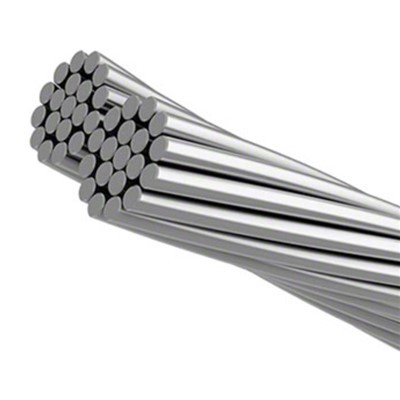
Well, there you have it! These are some of the ways you can increase the conductivity of a conductor wire. Whether you’re a DIY enthusiast working on a small project or a professional in the electrical industry, these tips can help you get the most out of your wires.
Overhead Cable If you’re looking for high – quality conductor wires or have any questions about improving conductivity, I’d love to chat. Just reach out to me, and we can discuss your specific needs. I’ve got a wide range of wires in different materials, sizes, and types, and I’m confident I can find the right solution for you. Let’s work together to make your electrical projects a success!
References
- "Electrical Conductivity of Materials" by David R. Lide, CRC Handbook of Chemistry and Physics
- "Principles of Electric Circuits" by Thomas L. Floyd
- "Materials Science and Engineering: An Introduction" by William D. Callister Jr. and David G. Rethwisch
Jiangsu Jingwei Cable Co., Ltd.
As one of the leading conductor wire manufacturers in China, we warmly welcome you to buy bulk durable conductor wire made in China here from our factory. All cables are with high quality and competitive price. For pricelist and free sample, contact us now.
Address: Industrial Concentration Zone C, Guanlin Town,Yixing City, Jiangsu Province
E-mail: marilyn.wang@jingwei-cable.com
WebSite: https://www.jwcable.com/
