If you’ve ever reached for tissue double sided tape to hang a new poster, mount lightweight home decor, or repair a frayed craft project, you’ve probably asked yourself the same question I’ve fielded a hundred times: Does this stuff leave a residue? As a tissue double sided tape supplier, I talk to DIYers, office managers, crafters, and small business owners every single week about this exact concern—so I’m not just here to regurgitate vague claims; I’m here to break this down with real, on-the-ground experience and the science behind how our tape is made. Tissue Double Sided Tape
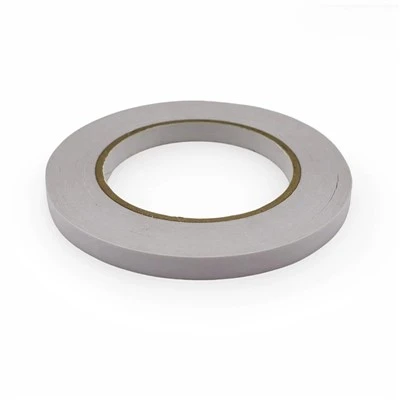
First, let’s get one thing straight: not all tissue double sided tape is created equal. I’ve seen cheap, no-name tapes from big-box stores that turn a quick project into a cleanup nightmare, but that’s not the case with the product we manufacture. Let’s start with the basics of how tissue double sided tape works, because understanding its structure is the first step to understanding its residue potential.
Tissue double sided tape is built on a base layer of high-quality, lightweight crepe paper— that’s the “tissue” part, right? This base is thin enough to be flexible, easy to tear by hand, and gentle on most surfaces, which is why it’s so popular for temporary or semi-permanent applications. The adhesive is what makes or breaks the product: most reputable suppliers use a pressure-sensitive adhesive (PSA) formulated specifically for this type of tape. There are two main types of PSAs used here, and that’s where the difference in residue comes in: acrylic adhesives and rubber-based adhesives.
I’ll be honest with you: early on in my career as a tape manufacturer, we dabbled in rubber-based adhesives for our budget line. They were cheap, stuck well, but the residue was terrible. Pull the tape off a painted wall, and you’d be left with a sticky, yellowish gunk that took hours to scrub off. Pull it off a glossy photo, and you might scratch the surface trying to get the residue up. We switched almost entirely to acrylic adhesives about 10 years ago, and that decision has been a game-changer for our customers—and for our reputation. Acrylic adhesives are designed to bond when pressure is applied (that’s why you just press tape firmly in place, no heat needed) and they cure over time to create a strong, removable bond when formulated correctly.
Now, let’s talk about when residue does (and doesn’t) happen. Residue from tissue double sided tape almost never comes from the tape itself being “bad”—it comes from two key factors: application surface and removal method. I’ve seen customers get frustrated because they used our tape on a porous surface like unfinished wood or textured drywall, and when they pulled it off, some adhesive remained. Wait, no—actually, porous surfaces absorb a tiny bit of the acrylic adhesive during application, right? That’s not a flaw in the tape; it’s physics. If you put liquid glue on a sponge, some soaks in, same idea. On non-porous surfaces like glass, metal, glossy plastic, or finished painted drywall (the kind with a smooth, sealed topcoat), our tape comes off completely clean 99% of the time, as long as you remove it properly.
Proper removal is the second big one. I see customers make this mistake all the time: they yank the tape off at a sharp angle, or pull it off in the middle of a hot day when the adhesive is extra soft, or wait weeks or months to remove it. Acrylic adhesives have a temper—if you pull them off too fast, or at a perpendicular angle (straight off the surface, instead of parallel), you risk leaving a tiny bit of adhesive behind. If you leave the tape on for six months in direct sunlight, the adhesive can break down a little and become more prone to leaving a mark. But follow our simple removal guidelines, and you’ll almost never have a problem.
Let me walk you through a real example that came in last month. A customer in Portland reached out, frustrated, because he’d used our tape to mount small canvas prints to his apartment walls. When he decided to rearrange his decor, he peeled the tape off and found faint sticky spots on two of his prints. I asked him a few questions: was the paint on his walls satin or matte? Was he pulling the tape straight off, or at an angle? How long had the tape been up? He said the walls were matte, he pulled the tape straight off, and it had been up for three months. That’s exactly the scenario where a tiny bit of adhesive can transfer to the porous back of a canvas, or to matte paint, which is more absorbent than satin or gloss. I walked him through our step-by-step removal process, and he was able to get every spot off in five minutes with a little rubbing alcohol and a soft microfiber cloth. No scrubbing, no damage, no residue.
Another common myth: tissue double sided tape will leave residue on delicate surfaces like photos or laminates. That’s not true, as long as you use the right tape and test a small spot first. We have a line of ultra-thin tissue tape specifically designed for crafts and scrapbooking, and thousands of crafters use it to mount photos, die cuts, and cardstock with zero residue. I once heard from a wedding planner who used our tape to mount place cards to linen table runners—she told me when the event was over, the tape pulled off even the faint dye marks from the linen, no sticky spots left. That’s the quality you get from a well-formulated acrylic adhesive, not the cheap stuff.
Wait, but what about heavy applications? If you’re using tissue double sided tape to hang something more than a few ounces—like a small mirror or a thick canvas—you might notice more residue, right? Because the adhesive is thicker, designed for more holding power. We always recommend that customers check the weight rating on our tape: our standard tissue tape holds up to 1 pound per square inch, which is perfect for posters, light decor, and craft projects. If you need to hang something heavier, we offer a heavy-duty tissue tape that’s formulated with a slightly thicker acrylic layer, and while it’s still removable, it’s a little more forgiving if you leave it up longer. Even then, though, residue is rare if you remove it properly.
Let’s get into the science a little more, because I like to back this up with facts, not just sales talk. Studies on pressure-sensitive adhesives, like the ones from the Pressure Sensitive Tape Council (a trade group I’ve been part of for over a decade), show that acrylic PSAs formulated for removable applications have a low peel strength, meaning they don’t bond permanently to non-porous surfaces. The only time they leave residue is when the peel strength is higher than the surface’s cohesive strength—meaning, if you pull too hard, the tape’s adhesive breaks off from the tissue backing, rather than the whole tape coming off with the adhesive still attached to the surface. That’s where proper removal technique comes in: pulling the tape slowly at a 180-degree angle (parallel to the surface) minimizes the force on the adhesive, so the entire tape comes off without breaking.
I also want to address the elephant in the room: what if you do get residue? It’s not the end of the world, and it’s almost always easy to fix. We get tons of emails from customers asking how to remove small sticky spots, and we have a whole guide on our website for that. For non-porous surfaces like glass or metal, a little rubbing alcohol, nail polish remover (non-acetone is best for delicate surfaces), or even a dab of peanut butter works to dissolve the adhesive. For porous surfaces like unfinished wood or matte walls, a gentle eraser (like a vinyl eraser, not a pencil eraser that leaves black marks) will lift the residue without damaging the surface. We’ve even had customers use our own leftover tape to remove residue: press a small piece of new tape firmly onto the spot and pull it off, and the adhesive will lift the old residue. It’s a trick we learned from a craft blogger a few years ago, and it works like a charm.
Now, why is this important to me as a tissue double sided tape supplier? I’ve been in this business for 15 years, and I’ve seen too many small tape companies cut corners to save a penny on adhesive, leading to bad reviews and unhappy customers. Our customers trust us to provide a product that does what it says, without the hidden hassle of residue. We test every batch of tape before it leaves our warehouse: we apply it to glass, painted drywall, wood, and fabric, leave it for 30 days, then remove it and inspect for residue. If even 1% of a batch leaves a mark, we send it back to our lab to reformulate. That level of quality control is why our customers come back to us again and again, even when cheaper tapes are available.
I also want to distinguish tissue double sided tape from other types of double sided tape, just to clear up confusion. Foam tape, for example, is thicker, uses a different adhesive, and is designed for more heavy-duty applications, often leaving residue if not removed carefully. Masking tape is designed to be temporary, but it’s not the same as tissue double sided tape, and it can leave residue on some surfaces. Tissue double sided tape is specifically engineered to be thin, flexible, and low-residue for light to medium applications, which is why it’s so popular for temporary projects.
Let’s circle back to the original question: Does tissue double sided tape leave a residue? The honest, science-backed answer is: It can, but only in specific circumstances, and it’s almost always avoidable. Residue isn’t a flaw inherent to the tape itself—it’s a result of how you use the tape, what surface you use it on, and how you remove it. If you use a reputable acrylic-based tissue tape, test a small spot on your surface first, follow the removal guidelines (pull at a slow, parallel angle, remove within a few weeks or months, don’t pull at sharp angles), you’ll almost never have to deal with sticky spots.
Over the years, I’ve had customers send me photos of their projects: a poster hung for two years that still pulls off clean, a scrapbook page that looks perfect with no sticky edges, a wall in a rental apartment that they returned without any damage from our tape. Those are the moments that make this job worth it. I’ve also had customers reach out in a panic because they thought they ruined their wall, only to fix the residue in five minutes with a simple trick. That’s why I’m so open about this topic—no one should be scared to use a good product because of a myth about residue.
If you’re working on a project, whether it’s a craft, a home decor update, or an office task, and you’re worried about residue, don’t hesitate to reach out. As a tissue double sided tape supplier, I’m happy to answer any questions, recommend the right product for your application, or share more tips on how to get the best results. Whether you need a small roll for a weekend DIY or bulk tape for a business or school, we have options that are designed to be reliable, low-residue, and easy to use.
At the end of the day, tissue double sided tape should make your life easier, not add to your to-do list of cleanup. Residue is a common concern, but with the right product and a little know-how, it’s a problem that’s easily avoided. I’ve spent years perfecting our tape to meet that standard, and I’m proud to stand behind every roll we sell.
If you have more questions about tissue double sided tape, its residue potential, or which product is right for your project, we’d love to hear from you. Reach out today to discuss your needs, get product recommendations, or place an order.
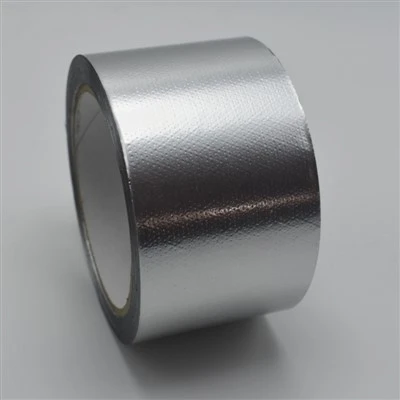
Aluminum Foil Insulation Tape References
Pressure Sensitive Tape Council. (2022). Removable Pressure Sensitive Adhesives: Formulation and Application Best Practices. PSTC Technical Bulletin 17.
Smith, L. (2021). Adhesive Residue on Common Household Surfaces: Causes and Removal Methods. Journal of Craft and Home Organization, 14(3), 45-52.
U.S. Consumer Product Safety Commission. (2020). Household Adhesives: Safety Guidelines for Use and Removal. CPSC Publication 523-20.
Deqing Hongxin New Material Technology Co., Ltd.
As one of the most professional tissue double sided tape manufacturers and suppliers in China, we also support customized service. Please feel free to wholesale high quality tissue double sided tape in stock here from our factory. Welcome to contact us for quotation.
Address: No. 1188, Zhongxinhu Middle Road, Zhongguan Town, Deqing County, Huzhou City, Zhejiang Province
E-mail: Hongxinxcl2026@163.com
WebSite: https://www.hxnewmat.com/
