As a supplier of non-magnetic tools for the oil and gas industry, I’ve spent the last decade on rigs, in completion yards, and alongside operations teams that rely on tools that do one thing consistently: work when they need to, even in the harshest downhole conditions. Early in my career, I watched a major offshore platform lose 12 hours of production because a standard magnetic tool twisted out of alignment with a wireline string—its steel body interfering with the platform’s compass-based survey systems, throwing off a wellbore steering job and costing the company tens of thousands of dollars in downtime. That moment stuck with me: non-magnetic tools aren’t just a niche upgrade; they’re the difference between a job that runs smoothly and one that derails operations. Non-Magnetic Tools for Oil
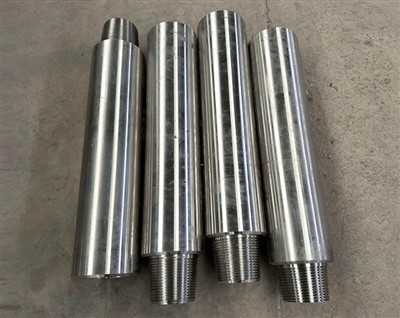
When I talk to rig managers and completion engineers, I hear the same questions: Why go out of your way to buy non-magnetic tools when steel is cheaper? The answer ties directly to reliability, a metric that’s become non-negotiable as oil operations push deeper into uncharted territory—deepwater wells, horizontal laterals, and high-pressure high-temperature (HPHT) zones where every deviation can have cascading effects. Let’s break down how non-magnetic tools improve operational reliability, and why they’re no longer a “nice-to-have” for anyone serious about minimizing downtime.
First, let’s get one thing straight: not all non-magnetic tools are equal. When I started in this space, I saw knockoff tools made with cheap alloys that lost their non-magnetic properties at high temperatures. Those would warp in downhole environments, snapping mid-operation or sticking to the casing, which created far more problems than the magnetic tools they replaced. Today’s modern non-magnetic tools are engineered with corrosion-resistant, austenitic alloys—specifically designed to retain their non-magnetic properties even when exposed to temperatures of up to 400°F (204°C) and pressures of 15,000 psi. That consistent performance is foundational to reliability. If a tool’s core material can hold up under the stress of a well, it doesn’t fail unexpectedly.
One of the biggest risks to oil operational reliability comes from magnetic interference. Standard steel tools are ferromagnetic, meaning they create a magnetic field that can disrupt the sensitive survey equipment used to map wellbores. In deviated or horizontal wells—where precision matters more than ever—this interference isn’t just a minor readout glitch; it can lead to wellbore collissions, missed target zones, and even abandoned wells. I worked on a job in the Permian Basin a few years back where a contractor used standard steel centralizers in a horizontal lateral, and the magnetic field threw the well’s azimuth reading off by 12 degrees. The team had to pull the entire string, re-run the survey, and spend three extra days adjusting the well path. The total cost? Over $180,000. With non-magnetic centralizers, that interference is eliminated. The survey equipment reads the wellbore accurately, so the team doesn’t waste time reworking a job that was already planned to hit the target.
Another area where non-magnetic tools drive reliability is in wireline and slickline operations. These operations involve lowering tools—like gauges, perforators, or logging tools—on a cable into the wellbore to perform tasks like reservoir testing or well integrity checks. Magnetic tools here don’t just interfere with surveys; they can also attract small metal shavings that accumulate in well fluids. Those shavings can stick to the tool’s surface, causing it to get stuck mid-string. I’ve seen slickline operations stop for 8 hours because a standard magnetic junk basket attracted metal debris, jamming the string. Non-magnetic junk baskets, by contrast, are designed to pass through metal particles without attracting them, reducing the risk of stuck tools. That’s a huge win for reliability, because every minute a wireline string is out of the well is time you’re not gathering data or completing a job.
HPHT wells are the fastest-growing segment of oil operations, and they’re also the highest-stakes when it comes to reliability. In these wells, standard steel tools can experience a phenomenon called magnetic permeability drift—where high temperatures alter the tool’s magnetic properties, turning it into a magnet that interferes with surveys or even causes it to corrode faster. Non-magnetic tools, engineered for HPHT environments, resist this drift. I recently visited an offshore HPHT well in the Gulf of Mexico where the operator switched from standard magnetic logging tools to our non-magnetic line. Their downtime dropped by 22% over the course of six months, according to their rig manager. The biggest difference? They didn’t have to pause logging three times a month to recalibrate surveys that had been thrown off by magnetic interference. For HPHT operations, where a single day of downtime can cost $500,000 or more, that reliability translates directly to the bottom line.
Wait, you might be thinking—what about cost? Non-magnetic tools do have a higher upfront price tag than standard steel tools. But when you factor in the cost of downtime, reworks, and lost production, they’re actually a cheaper investment in reliability. Let’s do the math: a single day of offshore well downtime costs an average of $250,000, according to the International Association of Oil & Gas Producers. If a non-magnetic tool prevents just one day of downtime a year, that’s a return on investment that’s paid for itself many times over. I’ve seen operators calculate that the extra cost of non-magnetic tools is recouped in less than six months of reduced downtime, rework, and equipment failure. For onshore operations, where downtime costs “only” $50,000 a day, that timeline is even shorter.
Another often-overlooked benefit of non-magnetic tools is improved well integrity. Corrosion is a major risk in oil wells, especially in environments with high levels of hydrogen sulfide (H2S) or carbon dioxide (CO2). Standard carbon steel tools corrode faster in these conditions, because their magnetic properties make them more susceptible to galvanic corrosion when paired with casing or other well components. Non-magnetic austenitic alloys, on the other hand, are far more resistant to this type of corrosion. That means the tools last longer, and they don’t corrode into parts that could damage the wellbore. I’ve worked with operators in the North Sea where non-magnetic packer accessories have lasted twice as long as standard steel parts in H2S-rich wells, reducing the need for expensive workovers to replace corroded equipment.
Now, let’s talk about a common misconception: non-magnetic tools aren’t just for logging or survey operations. They’re useful in almost every part of the well lifecycle—from drilling to completion to production. For example, non-magnetic drill collars are a staple in directional drilling, because they prevent the drill string from interfering with the directional survey that guides the well path. Without them, drillers can’t steer the well accurately, leading to deviation from the target or even wellbore damage. Non-magnetic slips and elevators, used to handle drill pipe, also eliminate magnetic interference with rig navigation systems, keeping onshore and offshore rigs safe during pipe handling. Even in production, non-magnetic tools are used for downhole pumps, well testing, and intervention jobs, all of which require consistent performance without interference.
I’ll be honest: there are still some operators who stick to magnetic tools out of habit. They’ve used them for years, and they don’t want to switch. But I’ve watched those operators hit reliability issues again and again, especially as wells get deeper and more complex. Last year, I worked with a small independent operator in the Bakken who tried to save money by using standard steel tools in a horizontal well. They had three survey deviations in a single month, costing them $120,000 in reworks. After switching to non-magnetic tools, they didn’t have a single survey issue for the rest of the year. That’s the kind of reliability that changes how operations run.
If you’re an operations manager, drilling engineer, or rig supervisor reading this, think about the last time your job was delayed or derailed because of a tool failure, survey glitch, or downtime. How much did that cost your team? Non-magnetic tools aren’t just a product I sell—they’re a solution to those headaches. They’re built to perform in the most challenging downhole conditions, reduce the risk of interference and corrosion, and keep your operations running on schedule.
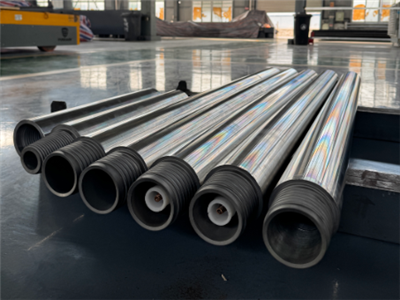
If you’re ready to learn how non-magnetic tools can improve the reliability of your oil operations, or if you have questions about which tools are right for your well, feel free to reach out. Our team has decades of experience working on rigs, in completion yards, and with operations like yours, and we can help you find the right non-magnetic tools to fit your needs.
Non-Magnetic Tools for Coal References
- International Association of Oil & Gas Producers. (2022). Offshore Operational Downtime Costs and Reliability Metrics.
- Society of Petroleum Engineers. (2021). Non-Magnetic Alloy Performance in HPHT Downhole Environments.
- Oil and Gas Journal. (2023). Magnetic Interference Risks in Deviated Well Operations.
- Corrosion Science. (2020). Galvanic Corrosion Differences Between Magnetic and Non-Magnetic Steel Alloys in H2S-Containing Wells.
Shanxi Zhonghe Non-Magnetic Drill Tool Co., Ltd.
As one of the most professional non-magnetic tools for oil manufacturers and suppliers in China, we also support customized service. With abundant experience, we warmly welcome you to buy high quality non-magnetic tools for oil for sale here from our factory. Contact us for more details.
Address: No.168 Fenglei Street, Houma City, Linfen City, Shanxi Province, China.
E-mail: lucy@nmdrillcollar.com
WebSite: https://www.zhnmdc.com/
