Hey there, fellow RF enthusiasts! I’m a supplier in the RF coaxial cable game, and today we’re diving into a hot topic: which is better, solid or stranded center conductors in RF coaxial cables? RF Coaxial Cable
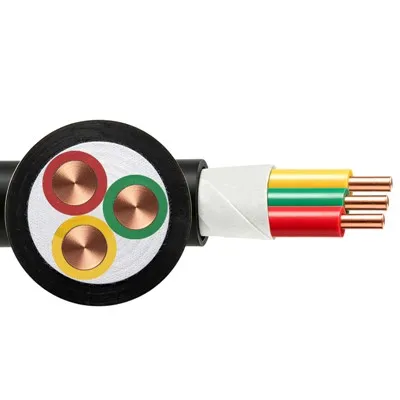
Let’s start with the basics. An RF coaxial cable is made up of several parts: an outer jacket, an outer conductor (usually a braid or foil), a dielectric material, and the center conductor. The center conductor is where the electrical signal travels, and it can be either solid or stranded.
Solid Center Conductors
Solid center conductors are exactly what they sound like – a single, solid piece of metal, usually copper or copper-clad steel. They’ve been around for a long time and have some real advantages.
First off, solid conductors offer excellent electrical performance. Because there’s no air space between multiple strands like in a stranded conductor, the signal has a more direct path to travel. This means less signal loss, especially at higher frequencies. If you’re working on a high-frequency application, like satellite communication or radar systems, a solid center conductor can be a game-changer.
Another plus is durability. Solid conductors are less likely to break or fray compared to their stranded counterparts. They can withstand a fair amount of bending and twisting without suffering damage. This makes them a great choice for applications where the cable will be installed in a fixed position and won’t be moved around much.
However, solid conductors aren’t without their drawbacks. They’re not very flexible. If you need to bend the cable around tight corners or move it frequently, a solid conductor can be a pain. It might even crack or break if you force it too much. Also, they can be a bit more expensive to manufacture, which can translate into a higher cost for the end-user.
Stranded Center Conductors
Stranded center conductors are made up of multiple small strands of metal twisted together. This construction gives them some unique benefits.
Flexibility is the big one. Stranded conductors can be bent and flexed much more easily than solid ones. This makes them ideal for applications where the cable needs to be moved around a lot, like in test equipment or mobile devices. You can coil and uncoil a stranded cable without worrying about damaging the conductor.
Stranded conductors are also more resistant to fatigue. When a cable is repeatedly bent or flexed, the stress can cause a solid conductor to break over time. But with a stranded conductor, the individual strands can move and adjust to the stress, reducing the risk of breakage.
On the downside, stranded conductors have a higher surface area compared to solid conductors. This can lead to more signal loss, especially at high frequencies. The air spaces between the strands can also cause some interference, which can affect the signal quality. And while they’re generally more flexible, they’re not as durable as solid conductors in terms of withstanding physical abuse.
Which One Should You Choose?
So, which is better? Well, it really depends on your specific application.
If you’re working on a high-frequency, fixed installation where signal loss is a major concern, a solid center conductor is probably the way to go. Think about large-scale communication systems, broadcast studios, or industrial automation setups. These applications require the best possible signal integrity, and a solid conductor can deliver that.
On the other hand, if you need a cable that can be moved around and flexed frequently, a stranded center conductor is the better choice. Test labs, mobile devices, and portable communication equipment all benefit from the flexibility and fatigue resistance of stranded conductors.
It’s also worth considering the environment where the cable will be used. If the cable will be exposed to harsh conditions, like extreme temperatures or vibrations, you might want to go with a solid conductor for its durability. But if the cable will be in a more controlled environment, a stranded conductor can offer the flexibility you need.
Our Experience as a Supplier
As an RF coaxial cable supplier, we’ve seen it all. We’ve worked with customers in a wide range of industries, from aerospace to telecommunications. And we’ve found that there’s no one-size-fits-all answer to the solid vs. stranded question.
We always start by having a detailed conversation with our customers to understand their specific needs. We ask about the frequency range, the amount of bending and flexing the cable will need to withstand, and the environmental conditions. Based on that information, we can recommend the best type of center conductor for their application.
We also offer a wide range of RF coaxial cables with both solid and stranded center conductors. Our cables are made with high-quality materials and are rigorously tested to ensure they meet the highest standards of performance and reliability. Whether you need a cable for a small-scale project or a large industrial installation, we’ve got you covered.
Let’s Talk
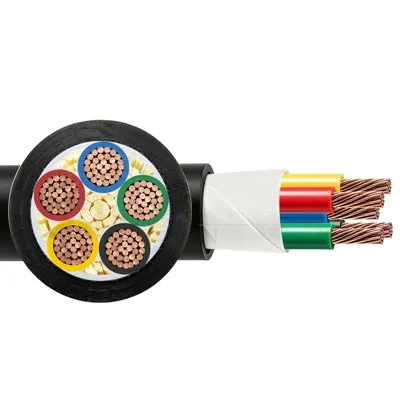
If you’re in the market for RF coaxial cables and you’re not sure whether a solid or stranded center conductor is right for you, don’t hesitate to reach out. We’re here to help you make the best decision for your application. We can provide you with more information, answer your questions, and even send you samples so you can test the cables for yourself.
Power Cable Low Voltage Contact us to start a conversation about your RF coaxial cable needs. We’re looking forward to working with you!
References
- "RF and Microwave Coupling Circuits" by Joseph J. Carr
- "Coaxial Cable Handbook" by ARRL
- Various industry whitepapers on RF coaxial cable performance
Yangzhou Huayu Cable Co., Ltd.
Yangzhou Huayu Cable Co., Ltd. is one of the most professional rf coaxial cable manufacturers and suppliers in China, also supports customized service with low price. Please feel free to wholesale advanced rf coaxial cable made in China here from our factory. Contact us for pricelist.
Address: No. 9 Jingang Road, Yangzhou City, Jiangsu Province, China
E-mail: huayucableco@126.com
WebSite: https://www.huayucabletech.com/
