If you’re in the automotive world, you know fasteners are the unsung heroes keeping rides safe, roadworthy, and together. As a supplier, I get hit with questions every week about switching to aluminum fasteners—they sound great on paper, right? Lightweight, corrosion-resistant compared to steel, perfect for fuel efficiency and that “modern car” vibe. But let’s cut through the hype and talk about the stuff no one screams from the rooftops. I’ve seen so many shops and even some OEMs jump into aluminum hard fasteners without checking the fine print, and it ends up costing them way more than they save in the long run. Let’s break down the real disadvantages that aren’t just engineering jargon—these are the issues we deal with daily on the supply floor. Automotive Fasteners
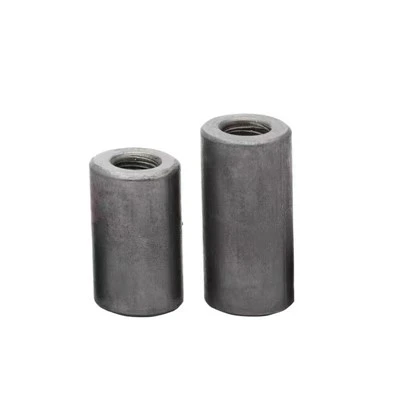
First off, aluminum is soft. Duh, you might think, but that’s not just a casual observation—this is a physics problem, not a “oops, forgot” mistake. Steel fasteners have a tensile strength that’s like 2-3 times higher than most aluminum alloys we use for automotive parts. Tensile strength is basically how much pulling force a material can take before snapping. So if you torque an aluminum bolt to the exact spec you’d use for a steel one? Bam. Thread stripping. I’ve had a customer send back a pallet of 10mm aluminum bolts because when their techs tried to tighten a suspension mount, half the threads just tore right out of the aluminum body it was screwed into. Why? Aluminum’s yield strength (the point where it permanently deforms) is way lower—like 200-400 MPa vs steel’s 800-1200 MPa. So even a tiny over-torque, which is super easy to do with electric power tools that auto-set, is a recipe for disaster. And it’s not just stripping. Soft aluminum also picks up galling, which is like metal seizing but worse. Galling happens when two aluminum surfaces rub together under pressure, and the aluminum molecules fuse—you can’t get the bolt undone without drilling it out. I’ve seen a shop spend 3 hours pulling a broken aluminum exhaust manifold bolt because galling welded it to the port. Steel fasteners don’t do that nearly as badly because their surface is harder, even if you don’t coat them.
Next, galvanic corrosion. This is the big one that even some engineers miss. When two different metals touch in the presence of an electrolyte—like road salt, rainwater, or even just condensation—they create a tiny battery. Aluminum is what’s called an anode, meaning it’s the metal that corrodes sacrificially to protect the other one. So if you screw an aluminum fastener into a steel part? The aluminum turns into the sacrificial metal. Wait, but that sounds like a good thing—aluminum corrodes first, so the steel doesn’t? No, not when we’re talking about automotive fasteners that need to last 10+ years. The corrosion doesn’t just eat away the aluminum fastener; it creates that crusty, white powdery residue that makes fasteners seize over time. I had a customer last winter who used aluminum wheel studs on a pickup truck, and by spring, half the studs were so corroded they couldn’t take the wheels off without a torch. And if you pair aluminum with something even more noble, like stainless steel? The galvanic reaction is even worse. We recommend coating aluminum to fight this, but coatings add cost, and if the coating chips or scratches during installation, you’ve just made the problem worse—exposed aluminum touching another metal, no protection.
Then there’s thermal expansion. Cars get hot—engine bays can hit 200°F+ in summer, and in cold climates, they drop to below freezing. Metals expand when heated, right? The coefficient of thermal expansion (CTE) for aluminum is twice that of steel. So let’s say you have an aluminum bolt holding an engine bracket made of steel. When the engine warms up, the bolt stretches more than the bracket. When it cools back down, the bolt contracts more than the bracket. Over hundreds of heat cycles, that constant pulling and releasing weakens the bolt, and it also loosens the connection. I’ve seen aluminum intake manifold bolts that would come loose after 1000 miles of highway driving because of thermal expansion and contraction. Steel bolts have a much closer CTE to most automotive metals, so they don’t do that. You can use thread locker, but thread locker adds another layer of cost, and it’s not perfect—especially in extreme temps, it can break down.
Let’s talk about fatigue strength too. Fatigue is what happens when a fastener is under constant, repeated stress—like vibration from driving, road bumps, engine rumble. Aluminum’s fatigue strength is way lower than steel, especially for fasteners. Steel can handle millions of load cycles before it fails, but aluminum starts to crack after way fewer. I remember a customer who used aluminum fasteners on a trailer hitch; after a year of hauling lawn equipment, the hitch bolt cracked and the latch came loose. That’s not just a part failure—that’s a safety hazard. Fatigue cracks in aluminum fasteners are almost impossible to spot until they break, because they start tiny inside the material. Steel is way more resistant to that kind of cyclic stress, so it doesn’t crack as easily.
Wait, let’s not forget cost. A lot of people think aluminum is cheaper than steel, but that’s not true for automotive-grade fasteners. The raw material for aluminum is actually more expensive per pound than steel, especially the high-strength alloys we need for fasteners. Then you have to factor in processing—aluminum is softer, so it’s harder to thread, which means more scrap during manufacturing. And don’t even get me started on inventory costs. Aluminum fasteners need special handling because they’re prone to galling and corrosion, so you can’t just stock them on the same shelves as steel. Some customers think switching to aluminum will save them money on fuel, but when you factor in higher part costs, more returns for defects, and labor time fixing seized or stripped fasteners? It ends up being way more expensive over the long run. I had one client that switched all their aluminum door fasteners to steel, and their annual fastener-related labor costs dropped by 30%—that’s no small number for a shop that does 100 cars a week.
Oh, and installation challenges. Like I mentioned earlier, aluminum is soft, so you can’t use the same tools you use for steel. If you use a regular impact wrench that’s set to too high a torque, you’ll strip threads every time. Some techs even have to use a torque wrench instead of an impact, which slows down their work. Also, aluminum doesn’t take anti-seize as well as steel. Wait, no—anti-seize works, but if you use too much, it can seep into crevices and cause grip issues. And if you don’t use any anti-seize, you get that galling we talked about. It’s a tight line to walk. I’ve had to train dozens of techs on how to handle aluminum fasteners, and even then, there’s a learning curve that leads to early waste. As a supplier, we give our clients detailed specs for torque and anti-seize, but not every shop follows them, and that leads to more returns.
Let’s address the counterpoint, because I’m not here to bash aluminum. It does have its place—like for body panels, where light weight is key, and load isn’t super high. But for structural fasteners, suspension parts, engine components? Aluminum just doesn’t hold up. I’ve had customers come to me crying because they bought cheap aluminum fasteners from a random supplier, not knowing about these issues. They thought “lightweight” equals better, but they didn’t do their homework. For example, if you’re building a race car where you’re swapping parts every weekend, aluminum might make sense because it’s lighter and easier to modify. But for a daily driver that needs to last 10+ years, steel is still the better bet.
Now, let’s get real about what this means for you, whether you’re a mechanic, a parts manager, or an OEM engineer. If you’re thinking about switching to aluminum fasteners to hit a fuel efficiency target or save a buck on weight, stop and calculate the total cost of ownership. It’s not just the part price—it’s labor, returns, warranty claims, and safety risks. I’ve seen a recall a couple years back where a automaker had to replace 100,000 aluminum wheel studs because they were corroding and breaking at highway speeds. That cost them millions in recalls, not to mention reputational damage. That’s the kind of thing you don’t want to deal with.
As someone who’s been in the automotive fastener game for 12 years, I’ve seen every trick in the book. Aluminum isn’t a bad material, but it has very specific use cases. The biggest mistake people make is assuming it’s a one-size-fits-all replacement for steel. The issues I mentioned—softness leading to stripping and galling, galvanic corrosion, thermal expansion, low fatigue strength, higher overall cost, installation headaches—are all real, and they don’t go away with a fancy coating or a different alloy.
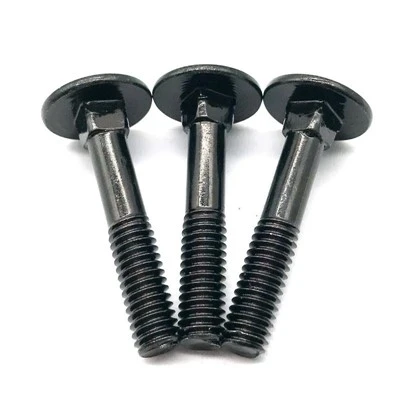
If you’re tired of dealing with seized fasteners, stripped threads, and fasteners that fail way before they should, let’s talk. I can help you figure out the right fastener for your specific application, no matter what you’re building. We work with all kinds of automotive clients, from independent shops to big OEMs, and we don’t push aluminum if it’s not the right fit. Let’s sit down (virtually or in person) and go over your needs, your parts, and what will keep your rides safe and save you money in the long run.
Rivet References:
- Automotive Materials Performance Council. (2021). Fastener Material Selection for Lightweighting Applications. SAE International.
- Corrosion Doctors. (2020). Galvanic Corrosion in Automotive Assemblies: Causes and Mitigation. NACE International.
- Metal Industries Research and Trade Association. (2019). Mechanical Properties of Aluminum Alloys for Structural Fasteners. MIRTA Technical Report.
- Society of Automotive Engineers. (2022). Guidelines for Fastener Torque and Installation in High-Vibration Automotive Systems. SAE J1227 Standard.
- The Fastec Association. (2021). Cost Analysis of Aluminum vs. Steel Fasteners in Light-Duty Vehicle Assembly. Fastec Research Report.
Wuyuan Jieyi Automotive Electrical Appliance Co., Ltd.
As one of the most professional automotive fasteners manufacturers and suppliers in China, we’re featured by quality products and good service. Please rest assured to wholesale bulk durable automotive fasteners in stock here from our factory. We also accept customized orders.
Address: No. 7 Likeng Road, Industrial Park Wuyuan County, Shangrao City, Jiangxi Province
E-mail: wyjydqz@163.com
WebSite: https://www.wyjydq.com/
