When it comes to electrical insulation testing, the Tan Delta Tester plays a crucial role. As a supplier of Tan Delta Testers, I’ve had the privilege of working closely with this technology and witnessing its impact on the industry. In this blog, I’ll delve into the accuracy of Tan Delta Testers, exploring the factors that influence it and how it affects the overall performance of insulation testing. Tan Delta Tester

Understanding the Basics of Tan Delta Testing
Before we discuss the accuracy of Tan Delta Testers, it’s essential to understand what Tan Delta testing is. Tan Delta, also known as dissipation factor or loss tangent, is a measure of the dielectric losses in an insulating material. When an alternating current (AC) is applied to an insulation system, a small amount of energy is dissipated as heat due to the imperfect nature of the insulation. The Tan Delta value represents the ratio of the resistive component (losses) to the capacitive component of the current flowing through the insulation.
The Tan Delta Tester is an instrument used to measure this value. It applies a sinusoidal voltage to the insulation and measures the phase difference between the voltage and the current. From this measurement, the Tan Delta value can be calculated. This value is a critical indicator of the insulation’s condition. A high Tan Delta value indicates increased losses, which could be a sign of insulation degradation, moisture ingress, or other issues.
Factors Affecting the Accuracy of Tan Delta Testers
The accuracy of a Tan Delta Tester is influenced by several factors, both internal and external. Understanding these factors is crucial for ensuring reliable and accurate test results.
Instrument Design and Calibration
The design of the Tan Delta Tester itself plays a significant role in its accuracy. High – quality testers are built with precision components that minimize measurement errors. For example, the voltage and current measurement circuits need to be highly accurate to ensure that the phase difference and Tan Delta values are measured correctly.
Calibration is another critical aspect. Regular calibration of the Tan Delta Tester against a known standard is essential to maintain its accuracy. Over time, the performance of the tester’s components can drift, leading to inaccurate measurements. By calibrating the tester at regular intervals, we can ensure that it provides reliable results.
Environmental Conditions
The environment in which the Tan Delta test is conducted can have a significant impact on the accuracy of the results. Temperature, humidity, and electromagnetic interference are some of the key environmental factors.
Temperature affects the dielectric properties of the insulation material. As the temperature increases, the Tan Delta value of the insulation may also increase. Therefore, it’s important to measure the temperature during the test and account for its effects on the results.
Humidity can also influence the Tan Delta value. Moisture can penetrate the insulation, increasing the losses and thus the Tan Delta value. In high – humidity environments, it’s crucial to take appropriate measures to ensure accurate testing, such as using moisture – resistant insulation materials or conducting the test in a controlled environment.
Electromagnetic interference (EMI) can cause noise in the measurement signals, leading to inaccurate results. To minimize the effects of EMI, the Tan Delta Tester should be shielded properly, and the test setup should be located away from sources of electromagnetic radiation, such as power lines and electrical equipment.
Test Setup and Procedure
The way the test is set up and conducted can also affect the accuracy of the Tan Delta Tester. Proper connection of the test leads is essential to ensure that the voltage and current are measured correctly. Any loose connections or incorrect wiring can introduce errors in the measurements.
The test voltage and frequency also need to be carefully selected. Different insulation materials may have different responses to different test voltages and frequencies. Using the wrong test voltage or frequency can lead to inaccurate Tan Delta values.
Assessing the Accuracy of Tan Delta Testers
To assess the accuracy of a Tan Delta Tester, several methods can be used. One common approach is to compare the test results obtained from the Tan Delta Tester with those obtained from a reference standard. This reference standard could be a well – calibrated insulation sample with known Tan Delta values.
Another method is to perform repeatability tests. By conducting multiple tests on the same insulation sample under the same conditions, we can determine the consistency of the test results. If the results vary significantly between tests, it may indicate a problem with the tester’s accuracy.
In addition, inter – laboratory comparisons can be carried out. By sending samples to different laboratories and comparing the test results, we can assess the accuracy of the Tan Delta Testers used in each laboratory. This helps to identify any potential issues with the testers and ensure that they are providing reliable results.
Importance of Accurate Tan Delta Testing
Accurate Tan Delta testing is of utmost importance in the electrical industry. It helps in detecting insulation problems at an early stage, allowing for timely maintenance and repair. By identifying insulation degradation before it leads to a complete failure, we can prevent costly downtime and equipment damage.
In addition, accurate Tan Delta testing is essential for ensuring the safety of electrical systems. Faulty insulation can pose a significant risk of electrical shock and fire. By regularly testing the insulation using a reliable Tan Delta Tester, we can ensure that the electrical systems are operating safely.
Our Commitment as a Tan Delta Tester Supplier
As a supplier of Tan Delta Testers, we are committed to providing high – quality, accurate instruments. Our testers are designed and manufactured using the latest technology and precision components to ensure reliable and accurate measurements.
We also offer comprehensive calibration services to ensure that our testers maintain their accuracy over time. Our team of experts is available to provide technical support and guidance on test setup and procedure to help our customers obtain the most accurate results.
Conclusion
The accuracy of a Tan Delta Tester is influenced by several factors, including instrument design, calibration, environmental conditions, and test setup. By understanding these factors and taking appropriate measures, we can ensure that the Tan Delta Tester provides reliable and accurate results.
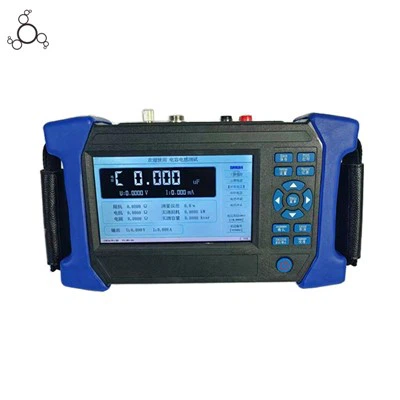
Accurate Tan Delta testing is crucial for maintaining the safety and reliability of electrical systems. As a supplier of Tan Delta Testers, we are dedicated to providing our customers with the best – in – class instruments and support to meet their insulation testing needs.
DC High Voltage Generator If you are in the market for a Tan Delta Tester or have any questions about our products and services, we invite you to contact us for a procurement discussion. We look forward to working with you to ensure the accuracy and reliability of your insulation testing.
References
- Electrical Insulation Testing Handbook, IEEE Press
- Standards for Tan Delta Testing, International Electrotechnical Commission (IEC)
- Research Papers on Dielectric Loss Measurement, various academic journals
Wuhan Jiuhua Jingce Power Equipment Co., Ltd.
As one of the most experienced tan delta tester manufacturers in China, we offer a wide range of products with superior quality. Please feel free to wholesale bulk durable tan delta tester from our factory. For price consultation, contact us.
Address: 601,Unit 1,Building D4-02,Optics Valley Center,303 OpticsValley Avenue,Wuhan
E-mail: market@wuhanjhjc.com
WebSite: https://www.powertransformertester.com/
