Special fasteners play a pivotal role in various industries, and the electronics sector is no exception. As a supplier of special fasteners, I often encounter inquiries about the suitability of our products for use in electronic devices. In this blog, I will delve into the details of whether special fasteners can be used in electronic devices, exploring their benefits, applications, and considerations. Special Fasteners
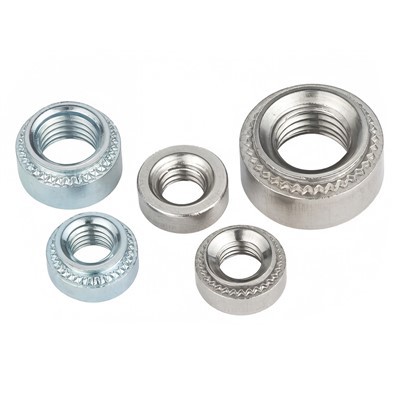
The Need for Special Fasteners in Electronic Devices
Electronic devices are becoming increasingly compact, lightweight, and complex. They require fasteners that can meet specific requirements such as high precision, corrosion resistance, electrical conductivity, and vibration resistance. Special fasteners are designed to address these unique needs, offering advantages over standard fasteners in the context of electronic applications.
One of the primary reasons for using special fasteners in electronic devices is the need for precision. Electronic components are often very delicate and require accurate alignment and fastening. Special fasteners can be manufactured to tight tolerances, ensuring a secure and precise fit. For example, in printed circuit board (PCB) assembly, micro – screws and nuts are used to hold components in place. These fasteners need to have consistent thread pitch and diameter to prevent damage to the PCB and ensure proper electrical connections.
Corrosion resistance is another crucial factor. Electronic devices are often exposed to various environmental conditions, including humidity, temperature changes, and chemical substances. Special fasteners can be made from materials such as stainless steel, titanium, or coated with anti – corrosion finishes. This helps to prevent rust and corrosion, which can lead to component failure and reduced device lifespan. For instance, in outdoor electronic equipment like weather stations or solar panels, corrosion – resistant fasteners are essential to maintain the integrity of the structure and the functionality of the electronics.
Electrical conductivity is also significant in many electronic applications. Some special fasteners are made from conductive materials or can be treated to enhance their electrical properties. This is important for grounding applications, where fasteners need to provide a reliable electrical path to dissipate static electricity or prevent electromagnetic interference (EMI). For example, in computer servers, conductive fasteners are used to connect the chassis to the ground, reducing the risk of electrical malfunctions caused by static discharge.
Vibration resistance is vital for electronic devices that are subject to movement or mechanical stress. Special fasteners, such as self – locking nuts or thread – locking adhesives, can prevent loosening due to vibration. In automotive electronics, for example, where vehicles are constantly exposed to vibrations during operation, vibration – resistant fasteners ensure that electronic components remain securely attached, preventing damage and maintaining proper functionality.
Applications of Special Fasteners in Electronic Devices
Special fasteners find a wide range of applications in different types of electronic devices. Here are some common examples:
Consumer Electronics
In smartphones, tablets, and laptops, special fasteners are used to assemble the various components. Tiny screws are used to hold the battery, the motherboard, the display, and other internal parts in place. These fasteners need to be small, lightweight, and precise to fit into the tight spaces within the device. Additionally, some fasteners may be designed to be easily removable for repair or maintenance purposes.
Industrial Electronics
Industrial control panels, automation equipment, and power supplies often use special fasteners. These devices are typically exposed to harsher operating conditions, such as high temperatures, vibrations, and electrical currents. Special fasteners made from high – strength materials and with enhanced electrical and thermal properties are required to ensure reliable performance. For example, in a factory automation system, fasteners need to withstand the vibrations from machinery and maintain the integrity of the electrical connections within the control panel.
Aerospace and Defense Electronics
In aerospace and defense applications, electronic devices are subject to extreme conditions, including high altitudes, rapid temperature changes, and high levels of shock and vibration. Special fasteners used in these applications must meet strict quality and performance standards. They are often made from advanced materials like titanium or Inconel, which offer high strength – to – weight ratios and excellent corrosion resistance. For example, in an aircraft avionics system, fasteners need to ensure that the electronic components remain securely attached during flight, even under the most demanding conditions.
Considerations When Using Special Fasteners in Electronic Devices
While special fasteners offer many benefits in electronic devices, there are several considerations that need to be taken into account.
Material Compatibility
The fastener material must be compatible with the materials of the electronic components and the surrounding environment. For example, some metals may react with certain plastics or PCB materials, causing corrosion or other forms of damage. It is essential to choose fasteners that are chemically compatible with the adjacent materials to ensure long – term reliability.
Design and Installation
The design of the special fasteners should be optimized for the specific electronic device. This includes considerations such as the size, shape, and thread type of the fasteners. Improperly designed or installed fasteners can lead to problems such as over – tightening, which can damage the components, or under – tightening, which can result in loose connections. Additionally, the installation process should be carefully controlled to ensure consistent and proper fastening.
Cost
Special fasteners are often more expensive than standard fasteners due to their unique design, materials, and manufacturing processes. When using special fasteners in electronic devices, it is necessary to balance the cost with the performance requirements. In some cases, it may be possible to use a combination of special and standard fasteners to achieve the desired functionality while keeping costs under control.
Conclusion
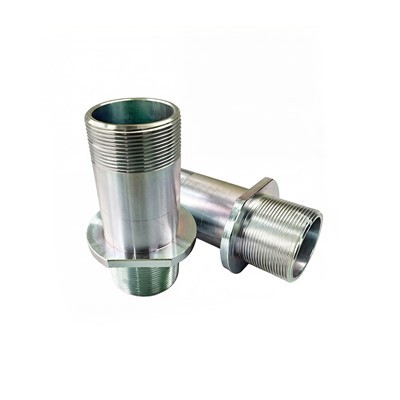
In conclusion, special fasteners can indeed be used in electronic devices, and they offer significant advantages in terms of precision, corrosion resistance, electrical conductivity, and vibration resistance. They are widely applied in various types of electronic products, from consumer electronics to aerospace and defense systems. However, when using special fasteners, it is important to consider factors such as material compatibility, design and installation, and cost.
Riveting If you are in the electronics industry and are looking for high – quality special fasteners for your products, I encourage you to reach out to us for a procurement discussion. Our team of experts can help you select the most suitable fasteners based on your specific requirements and ensure that you get the best solutions for your electronic devices.
References
- "Fasteners Handbook: Properties, Selection, and Applications" by Frank K. Gerner and Larry J. Gaiser
- "Electronics Packaging: Design, Materials, and Manufacturing Processes" by Ravi K. Agarwal
- Technical literature from leading fastener manufacturers
Shanghai Megood Metal Products Co., Ltd.
As one of the most experienced special fasteners manufacturers and suppliers in China, we have world-leading production equipment and strong manufacturing capabilities. Please rest assured to wholesale bulk special fasteners made in China here and get quotation from our factory. Customized orders are welcome.
Address: Building 8, No. 1500 Huiren Road, Waigang Town, Jiading District, Shanghai
E-mail: liujingshco@163.com
WebSite: https://www.mgx-hardware.com/
