Hey there! I’m working as a supplier of smart energy meters. Yeah, we’re pretty stoked about these meters ’cause they’re supposed to revolutionize the way we handle energy. But, let’s be real, they ain’t all sunshine and rainbows. There are some limitations that we need to talk about. Smart Energy Meter
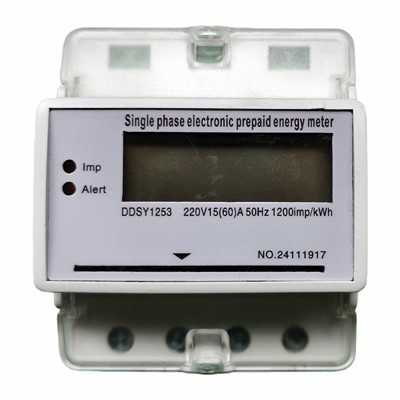
1. High Initial Cost
First off, the price tag on these smart energy meters is a real pain. Setting up a whole system with these meters is super expensive. You’ve got the cost of the meters themselves, then there’s the money for installing ’em, and don’t forget about getting all the software and communication systems up and running. For small – scale users or those on a tight budget, this is a huge roadblock. It’s like asking them to splash out a whole bunch of cash upfront with no guarantee of how long it’ll take to see any real savings.
I’ve talked to a lot of customers who are interested in the idea of smart energy meters but are put off by the cost. They’re worried that it might take years to break even on the investment. And in some industries where profit margins are razor – thin, that kind of upfront cost just isn’t feasible.
2. Compatibility Issues
Another biggie is compatibility. These meters need to work with existing energy infrastructure, and that’s not always a walk in the park. Different regions have different energy systems, and sometimes the smart energy meters we supply just won’t play nice with what’s already in place.
For example, some older power grids have outdated communication protocols. Our meters are designed to use the latest tech for data transfer, but when they try to connect to these old – school systems, it’s like trying to fit a square peg in a round hole. There might be errors in data transmission, or the meters might not be able to send or receive the right kind of information at all.
And then there are issues with software. Sometimes the software on the meters doesn’t mesh well with the customer’s existing management systems. This can lead to all sorts of headaches, like inaccurate data reporting or problems with integrating the meter data into the overall energy management process.
3. Data Privacy and Security Risks
In today’s digital age, data privacy and security are huge concerns, and smart energy meters are no exception. These meters collect a whole bunch of data about a user’s energy consumption patterns. This data can be really personal, showing when you’re at home, what appliances you’re using, and even your daily routines.
If this data gets into the wrong hands, it could be used for all sorts of shady stuff. Hackers could target the meters to get access to a user’s personal information. They could even use the data to plan break – ins, since they’d know when a house is likely to be empty.
On top of that, we as suppliers have to deal with strict regulations regarding data protection. Making sure that the meters are secure and that the data is handled properly is a constant battle. We’ve got to invest in top – notch security measures, which adds to the cost of the meters. And even then, there’s always the risk of a new security vulnerability popping up.
4. Accuracy Concerns
Accuracy is supposed to be one of the selling points of smart energy meters, but in reality, it’s not always as reliable as we’d like. There are a few factors that can mess with the accuracy of these meters.
One is environmental conditions. Extreme temperatures, humidity, and even electromagnetic interference can affect the meter’s performance. For example, in a really hot warehouse, the internal components of the meter might expand, causing it to give inaccurate readings.
Another issue is calibration. Over time, the meters can drift out of calibration. While regular calibration can help, it’s an additional cost and hassle for the users. And if the calibration isn’t done correctly or on time, the readings can be way off.
I’ve had customers complain about big discrepancies between the meter readings and their own estimates of energy consumption. This can lead to disputes between the users and the energy providers, and it doesn’t exactly make our meters look good.
5. Limited Functionality in Some Situations
Smart energy meters are designed to be pretty versatile, but there are still some situations where their functionality is limited.
For instance, in areas with spotty or no network coverage, the meters can’t send data back to the energy provider. This means that the benefits of real – time data monitoring and remote management go out the window. The energy provider has to rely on old – fashioned methods of reading the meters, which defeats the whole purpose of having a smart meter in the first place.
Also, these meters might not be suitable for all types of energy sources. If a user is using a unique or emerging energy technology, the meter might not be able to accurately measure or manage the energy flow. For example, some new forms of renewable energy systems have complex power output patterns that the current generation of smart energy meters can’t handle well.
6. User Resistance and Lack of Understanding
A lot of users are just plain resistant to the idea of smart energy meters. They’re used to the old – school way of doing things, and the thought of a new, high – tech device in their homes or businesses makes them nervous.
There’s also a lack of understanding about how these meters work. Some users think that the meters are some kind of spy device that will invade their privacy. Others don’t understand the benefits of real – time data and how it can help them save money on their energy bills.
We’ve tried to educate our customers, but it’s an uphill battle. A lot of them are just too set in their ways or too scared to make the switch. And without a high level of user acceptance, it’s hard for these meters to reach their full potential.
Conclusion
So, there you have it, the limitations of smart energy meters. But don’t get me wrong, despite these issues, these meters still have a ton of potential. They can really help in better energy management, reducing waste, and saving costs in the long run.

At our company, we’re constantly working on addressing these limitations. We’re researching ways to bring down the cost, improve compatibility, boost security, enhance accuracy, and expand functionality. And we’re also putting more effort into educating our customers so that they can see the value of these meters.
Electronic Energy Meter If you’re still interested in exploring smart energy meters for your home or business, despite these limitations, we’d love to hear from you. We can have a detailed chat about how we can work together to overcome these challenges and make the most of this technology. Whether you’re a small business owner looking to cut down on energy costs or a large – scale energy user wanting to manage your consumption more efficiently, we’ve got solutions for you. Reach out to us, and let’s start a conversation about how we can meet your smart energy meter needs.
References
- Electrical Engineering textbooks on power system automation and metering
- Industry reports on smart energy meter adoption and challenges
- Technical papers on data security in smart grid applications
Zhejiang Qunte New Energy Technology Co., Ltd.
As one of the most professional smart energy meter manufacturers in China, we’re featured by quality products and good price. Please rest assured to buy discount smart energy meter made in China here from our factory. We also accept customized orders.
Address: No. 56, Fengxi Road, Tang’ao Yu Village, Liushi Town, Yueqing City, Wenzhou City, Zhejiang Province
E-mail: 251951196@qq.com
WebSite: https://www.zjqtmeter.com/
