As a third-generation pipe production materials supplier with over 40 years of working with fabricators, engineers, and project managers across North America, I’ve learned that the success of a pipeline, whether it’s for municipal water, oil and gas, or industrial wastewater, hinges on far more than just steel or plastic. Over the decades, I’ve fielded hundreds of panicked calls from clients whose projects were delayed for weeks, even months, because the materials they ordered never arrived as promised. The blame rarely lands on a single issue—instead, it’s a tangled web of interconnected factors that shape how available pipe production materials really are. For anyone in the business of specifying or sourcing these materials, understanding these factors isn’t just a nice-to-have; it’s how you avoid costly delays and keep projects on track. Pipe Production Materials
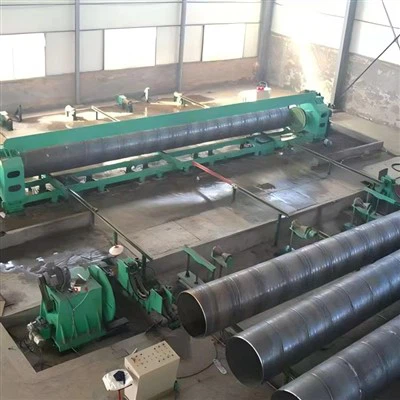
First, and most foundational, is the raw material feedstock itself. For steel pipes, that means pig iron, scrap steel, and alloying elements like chromium, nickel, and molybdenum. For plastic pipes, it’s resin—most commonly polyethylene (PE) and polyvinyl chloride (PVC). Let’s take a recent example: in 2022, when global energy prices spiked following the Ukraine conflict, natural gas (the primary feedstock for PE resin) doubled in cost overnight. This didn’t just make PE pipes more expensive; it also forced resin manufacturers to reduce production because they couldn’t operate at a profit. Our team saw lead times for 12-inch HDPE (high-density polyethylene) pipes jump from 6 weeks to 18 weeks as fabricators scrambled for limited resin supplies. For steel, the 2018 Section 232 tariffs on imported steel led to a surge in demand for domestic scrap steel, which drove up scrap prices by 40% in six months. Smaller pipe fabricators, in particular, struggled here—they don’t have long-term contracts with steel mills, so they had to buy scrap at spot market rates, pushing them to either pass costs to clients or delay projects while they sourced cheaper materials. Even minor alloy elements can throw this off: last year, a mine strike in South America cut global chromium output by 15%, delaying production of corrosion-resistant stainless steel pipes for a municipal water project in the Midwest that had to push its groundbreaking back three months.
Next, manufacturing capacity and supply chain bottlenecks are more impactful than many new in the industry realize. Pipe production isn’t just melting down material and shaping it; it’s a capital-intensive process that requires specialized equipment. A steel pipe mill that makes large-diameter line pipe for oil pipelines can’t switch overnight to making small-diameter pipes for residential sewer projects. Plastic pipe extruders are built for specific diameters and pressure ratings, so retooling to make a different size takes weeks of downtime. For context, pre-pandemic, most North American pipe fabricators operated at 85-90% capacity, which was considered full. By 2021, that number dropped to 60% as mills and fabricators dealt with labor shortages and equipment breakdowns from deferred maintenance during COVID shutdowns. The 2021 Suez Canal blockage also compounded this: it delayed shipments of specialized welders and extrusion parts from Asia, meaning fabricators couldn’t repair broken equipment fast enough to ramp up production. I remember a client on the West Coast who was building a 50-mile natural gas pipeline in Oregon in 2022; their primary fabricator’s main extruder had broken, and the replacement part was stuck on a container ship that had been idling off the coast of Los Angeles for three weeks. They ended up having to source material from a mill in Texas at a 30% premium, and still missed their seasonal construction window because of it.
Third, regulatory and industry standards create hidden barriers to availability that many people don’t anticipate. Pipe production materials have to meet strict standards set by organizations like the American Society of Mechanical Engineers (ASME), the American Water Works Association (AWWA), and the Pipeline and Hazardous Materials Safety Administration (PHMSA) in the U.S. For example, AWWA C905 sets specific requirements for pressure-rated HDPE pipes used in water distribution systems. If a resin batch doesn’t meet the required tensile strength or chemical resistance, it’s rejected and can’t be used—even if it meets general industry specs. This sounds straightforward, but test delays can create bottlenecks. In 2023, a resin manufacturer in the Gulf Coast had to recall three batches of PVC resin because they failed AWWA’s leachability test, which ensures pipes don’t contaminate drinking water. That recall took six weeks to resolve, and our team had 12 clients waiting on PVC pipes for small-town water projects. The real kicker is that regulatory changes can alter availability overnight. In 2020, EPA updated standards for lead and copper in drinking water, requiring all new municipal water pipes to be lead-free. This meant fabricators had to reconfigure their production lines to use new lead-free alloy blends, and mills that didn’t make that switch lost their ability to supply municipal projects for a year. I talked to a fabricator in Pennsylvania that had to scrap 200 tons of leaded steel pipe stock they’d been holding for a 2021 project because the new rules banned it, and they couldn’t sell it to any municipal client.
Fourth, demand volatility and project timelines shape availability more than forecast models usually account for. Pipe production is a cyclical business, and demand can swing wildly based on macroeconomic factors and public spending. For example, when the U.S. Infrastructure Investment and Jobs Act was passed in 2021, it allocated $1.2 trillion for roads, bridges, and water systems, which caused a 45% spike in demand for steel and PVC pipes within 12 months. Mills and fabricators had barely started ramping up production when supply chain delays for raw materials hit, leading to a perfect storm where lead times for 8-inch steel pipe hit 24 weeks. What’s more, many municipal projects have rigid seasonal timelines—water main replacements can only happen during dry summer months, so fabricators have to deliver 10,000 feet of pipe in June, not September. If a mill can’t deliver on that exact timeline, the project has to be delayed a full year, and that demand disappears as quickly as it spikes. I saw this firsthand in 2022, when a city in Florida tried to replace 15 miles of aging water pipes before hurricane season. They ordered their pipe in January, but a steel mill in Alabama had a production line fire in February and couldn’t deliver. By the time the mill was back up in May, the city had to push the project to the next hurricane season, and the budget reallocated to other projects meant the mill was left with unused capacity that summer.
Finally, geographic and logistics factors can make a material that’s abundant in one region completely unavailable in another. Pipe production materials are heavy and bulky—shipping a single 40-foot steel pipe can weigh 10 tons, so long-haul transportation costs are enormous, and delays are common. For example, steel mills in the Midwest produce most of the U.S.’s line pipe, while plastic resin production is concentrated in the Gulf Coast. A project in rural Montana that needs HDPE pipe can’t source it from a Gulf Coast resin producer and expect it to arrive in less than 6 weeks if a storm disrupts rail or truck routes. In 2019, a wildfire in Oregon shut down Interstate 5 for 10 days, meaning all pipe shipments going to projects in Northern California were stuck. One client had a wastewater treatment plant expansion that was supposed to be fully installed by October, but they only got half the pipe they needed, so they had to operate at 50% capacity for six months, which cost them over $2 million in operational fines. Even port congestion plays a role: imported specialty pipes, like stainless steel pipe for industrial chemical plants, often come from Europe or Asia. In 2022, the Port of Baltimore had a 3-week backlog of container ships, so a shipment of 10-inch stainless steel pipes that was supposed to arrive in two months took three and a half, delaying a chemical plant’s startup by six weeks.

Over the years, I’ve learned that the best way to navigate these factors is to work with a supplier who understands not just materials, but the entire ecosystem that shapes their availability. As a local supplier, I don’t just hold inventory of common pipe materials—I have long-standing relationships with mills and fabricators across the country, so I can redirect material when a primary source is delayed, or warn clients 8 weeks in advance if a feedstock shortage is coming. If you’re a project manager, engineer, or small fabricator dealing with pipe production materials and facing delays or uncertainty, we can work together to map out your needs, source the right materials on time, and avoid the headaches of unexpected supply chain gaps. Whether you’re working on a small municipal water project or a large industrial pipeline, don’t let availability issues derail your work—reach out to us to start a conversation about your needs today.
Roll Forming Machine References
- American Water Works Association. (2023). Water Pipe Materials Supply Chain Report. AWWA Press.
- Pipeline and Hazardous Materials Safety Administration. (2022). Domestic Pipe Manufacturing Capacity and Raw Material Availability Study. U.S. Department of Transportation.
- Global Steel Market Dynamics. (2023). Monthly Report on Raw Material and Manufacturing Capacity Shifts. World Steel Association.
- National Association of Pipe Fabricators. (2022). Impact of Regulatory Changes on Pipe Production Timelines. NAPF Publications.
- U.S. Bureau of Labor Statistics. (2023). Supply Chain Disruptions in Non-Metallic Mineral Product Manufacturing. BLS Monthly Labor Review.
Tianjin Binhai Yashanway Import and Export Co., Ltd.
Tianjin Binhai Yashanway Import and Export Co., Ltd. is one of the most reliable pipe production materials manufacturers and suppliers in China, also supports customized service with low price. Welcome to wholesale bulk pipe production materials made in China here from our factory. Contact us for quotation.
Address: B-508, Xiangnian Plaza, Dongjiang Road, Hexi District, Tianjin, China
E-mail: crystal@yashanway.com
WebSite: https://www.yashanway.com/
