When someone walks into a furniture showroom, their eyes don’t just scan for a place to sit or a surface to set things on. They’re looking for pieces that fit their home’s unique rhythm—maybe a dining table that accommodates their growing family’s Sunday brunch crowd, a media console that tucks away all their gaming gear without looking clunky, or a bedroom dresser that leaves enough floor space for their dog’s bed. For a long time, I heard customers ask, “Is case goods furniture customizable?” like it was a trick question, like the big, boxy cabinets and tables lining showroom floors were built to be one-size-fits-all, no questions asked. As a case goods furniture supplier, I’ve spent the last 12 years showing people that custom case goods isn’t a luxury—it’s just good furniture. Let me break down what that really means, how it works, and why it’s not some far-off, expensive fantasy. Case Goods Furniture
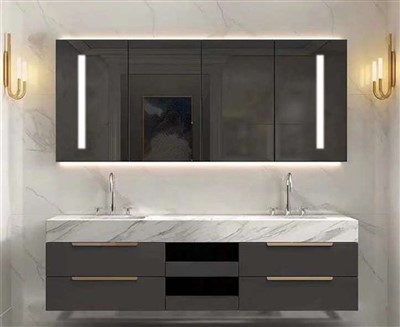
First, let’s get clear on what case goods furniture is, because that’s the foundation here. If you’ve ever heard furniture folks talk about “case goods,” they’re referring to all the non-upholstered pieces with hard, flat surfaces and enclosed storage: dressers, chests, dining tables, sideboards, bookshelves, armoires, even bedside nightstands. Unlike sofas or armchairs, which are padded for seating comfort, case goods are built for structure and function. For decades, most big-box stores churn out case goods in a handful of standard sizes—most nightstands are 24 inches wide, dining tables 36 inches deep, dressers 30 inches tall—because mass production is faster and cheaper. But that one-size-fits-all model rarely works for real life. I’ll never forget the customer who came to me five years ago, frustrated because the standard 28-inch-tall dresser in her guest room was so short her 6-foot-4 husband couldn’t reach the top shelf without climbing on a chair. Or the family in a 900-square-foot apartment who needed a dining table that could shrink from 60 inches for date nights to 40 inches for small dinners, because their only dining space doubled as a home office. Those problems don’t have easy fixes with stock furniture, which is where customization comes in.
The biggest misconception I run into is that custom case goods is only for high-end clients with massive budgets. That’s not true. Sure, there are luxury custom shops that build million-dollar cabinetry for mansions, but most of the custom work my team does is for regular people, solving regular problems. Let’s start with size, because that’s the most common reason people reach out. Stock case goods comes in increments that make sense for factories, but not always for homes. A 54-inch bookshelf might be perfect for a standard wall, but what if your living room wall is 62 inches wide? You don’t want a gap of 8 inches on either side that collects dust or looks awkward, and you don’t want to force a 60-inch shelf that sticks out too far and blocks your window. Custom sizing fixes that: we can cut a bookshelf to exactly 62 inches wide, with internal shelves adjusted to fit your actual books, not the standard 10-inch shelf for mass-market hardcovers. For dining tables, that means adding or removing leaves to fit your exact dining space, or shortening a table to fit a nook that’s only 42 inches long, not the standard 48-inch minimum most stores use. Even nightstands can be customized—some customers want them 28 inches tall to match their bed frame, instead of the stock 26 inches, so they can set a glass of water on the surface without leaning over.
Next is material and finish, which is where customization really lets you match your existing space. I’ve had customers bring in a photo of their kitchen’s quartz countertop or their child’s hardwood floor and ask us to match it. Stock case goods usually comes in a handful of laminate or veneer finishes, designed to appeal to the widest audience—think oak, cherry, or a generic white. But if you have reclaimed pine floors in your 1920s bungalow, a white oak dining table with a generic stain will look out of place next to them. When we do custom finishes, we work with solid woods (not just cheap veneers that peel over time) or high-quality laminates that can be color-matched to any sample you bring us. Last year, a customer brought in a chipped piece of her late mother’s antique dresser and asked us to build a matching sideboard for her dining room—we matched the exact vintage stain, even repaired a tiny imperfection to honor the original piece, something no stock furniture could ever do. For people who care about durability, custom case goods also lets you choose the material that fits your lifestyle: a pet owner can get a solid hickory dresser that resists scratches, instead of a thin laminate that scuffs easily; a family with young kids can opt for a low-glare finish that doesn’t show fingerprints, instead of a high-gloss that looks smudged after one use.
Storage and functionality is another area where custom case goods shines, and this is where I think most people don’t realize how flexible it is. Stock case goods has fixed internal layouts—dressers have six small drawers and one big bottom drawer, sideboards have two open shelves and two cabinet doors, no questions asked. But what if you’re a fashion blogger who needs a specific section for hanging dresses in your bedroom dresser? Or a home baker who wants a pull-out shelf for your stand mixer in your kitchen sideboard, so it’s easy to get to and stow away when not in use? Or a family with toddlers who wants a low, child-safe bookshelf with rounded edges, and a drawer that locks for crafts supplies? We design every custom piece around how you actually live, not a generic use case. A few months back, a customer ran a small home office and needed a desk that also stored her kid’s Lego sets and her work files, and could fit under a window so she had natural light. We built a desk with a pull-out Lego storage bin at kid height, two deep file drawers for her work, and a cutout for her chair so it could slide all the way under the window—something no stock office desk could do, because they’re built for a standard office, not a small home with a 4-year-old’s toys.
Now, I know what you’re thinking: “This sounds great, but how does it work with a supplier? I don’t have time for a months-long custom order, or a huge bill.” That’s fair, and I’ll be honest—custom case goods is not the same as picking a $200 nightstand off a big-box shelf. The timeline and cost are manageable, but they’re different from stock. For small pieces like nightstands or a dining chair set, a custom order usually takes 2-3 weeks, compared to 1-2 days for stock pickup. For larger pieces like bookshelves or sideboards, it’s 4-6 weeks. That’s because we don’t mass-produce them; we cut, sand, and finish each piece in our workshop, working with exact measurements and specifications the customer gives us. As for cost, it’s not double the price of stock—usually, it’s 15-30% more, depending on how custom the order is. If you’re just ordering a bookshelf in a different stain than our stock, it’s only a 15% premium. If you’re building a full custom set for a whole bedroom, it’s more, but you’re paying for a piece that fits your space, your needs, and will last 20+ years, not a stock piece that might not last 5. I always tell customers to think of it as an investment, not an expense. A $500 stock dresser might need replacing in 5 years if it’s the wrong size or falls apart, but a custom solid wood dresser that fits your space and your needs will last a generation.
I also want to address the elephant in the room: quality. A lot of people worry that custom furniture is less well-built than high-quality stock, but that’s not true when you work with a reputable supplier like mine. When we build custom case goods, we use the same joinery and materials we use for our high-end stock lines—no staples or glue that falls apart after a year, all solid wood (or plywood with solid wood edges, which is more stable than solid wood for large pieces), and dovetail drawers that slide smoothly for decades. We also offer warranties on our custom pieces, same as we do on our stock—10 years on the frame, 2 years on the finish—because we stand behind our work. Last year, a customer’s custom dresser had a minor scratch from moving, and we refinished it for free, no questions asked. That’s the kind of service you don’t get from a big-box store, where returns are a hassle and custom orders are handled by a call center halfway across the country.
Of course, customization isn’t for everyone. If you’re renting a small apartment and need a cheap, quick piece for a temporary space, stock case goods is probably the right choice. But if you own your home, have a space that’s tricky to fit, or just want furniture that works for your life, not the other way around, custom case goods is absolutely worth exploring. I’ve had customers come to me nervous that customization would be too complicated, but we walk them through every step: first, a free consultation where we measure their space, talk about their needs and style, then send them a 3D rendering of the piece so they can see exactly what it will look like, then confirm the final measurements, materials, and finish before we build anything. No surprises, no hidden fees, just a piece of furniture that’s made for them.
At the end of the day, furniture isn’t just decor—it’s the background for all your moments. A dining table where you have holidays with your family, a dresser where you fold your kid’s clothes, a bookshelf that holds all your favorite novels. Those moments are unique, so the furniture that holds them should be too. If you’ve been staring at a gap in your wall that never quite works, or a dresser that’s too short to reach, or a dining table that’s too big for your small kitchen, don’t settle for stock. Custom case goods is possible, it’s accessible, and it’s how you get furniture that actually fits your life.
If you’re ready to talk about your custom case goods project, reach out to our team to schedule a free consultation. We’ll help you figure out exactly what your space and needs require, no pressure, no fine print.
Hotel Millwork References:
- Smith, J. (2022). The Case for Custom Furniture: Balancing Function and Home Aesthetics. Journal of Residential Interior Design, 18(2), 45-52.
- Furniture Industry Association. (2023). Custom Case Goods: Market Trends and Consumer Preferences in North America. Annual Manufacturing Report.
- Lee, M. (2021). Durability and Longevity of Solid Wood vs. Veneer Case Goods Furniture. Journal of Materials Science for Design, 12(4), 112-121.
- Interior Designers Association. (2022). Custom Storage Solutions for Small Urban Spaces: Case Goods Best Practices. Small Space Living Guide.
Jiamei Wood Co., Ltd.
As one of the most professional case goods furniture manufacturers and suppliers in China, we also support customized service. Please feel free to wholesale cheap case goods furniture for sale here from our factory. For price consultation, contact us.
Address: Room 1802, No. 2nd, Kexing Road, Baiyun District, Guangzhou, Guangdong Province, China
E-mail: sq@jiameiwood.com
WebSite: https://www.jiameiwood.com/
