If you’ve ever stood next to a steel mill furnace at the height of a production shift or watched a data center’s cooling systems hum through a sweltering afternoon, you know that waste is everywhere—most of it invisible, and a lot of it is heat. As a Waste Heat Recovery provider, I’ve spent the last decade helping manufacturers, utilities, and even food processing plants capture that heat before it floats off into the atmosphere, turning something once written off as useless into a reliable source of power and heat. What most people don’t talk about, though, is how that small, overlooked step of waste heat recovery (WHR) is one of the most underrated tools in the fight for energy independence—a goal that feels more urgent every time we read about energy price shocks, or global supply chain disruptions, or nations scrambling to secure fossil fuel imports. Let’s break down why this technology isn’t just a “nice-to-have” for sustainability teams—it’s a cornerstone for building energy systems that don’t rely on outside forces. Waste Heat Recovery

First, let’s ground this in a simple, practical truth: 20 to 50 percent of the energy used in most industrial processes ends up as waste heat. A 2023 report from the International Energy Agency (IEA) puts that number even higher, at roughly 38 percent of all industrial energy generated globally. Think about that: half the energy a factory burns to melt steel, bake bread, or run a factory’s assembly lines just escapes as hot air or exhaust gas, unused. For perspective, that’s enough wasted energy to power every home in the European Union twice over, or to replace 1.8 billion tons of coal every year. Instead of letting that heat go to waste, WHR systems capture it at its source, convert it to usable electricity or process heat, and send it right back into the facility’s operations—no need to buy extra energy from external grids or foreign suppliers. That’s the core of energy independence, right there: generating more of your own energy, on-site, from resources you already use.
Let me give you a real example from a customer I worked with two years ago: a mid-sized cement plant in the American Midwest. This plant had run on a mix of domestically mined coal and natural gas for 40 years, and like most cement plants, its kiln produced exhaust gases at over 1,000 degrees Celsius—hot enough to melt metal, and all of it was being vented straight out the stack. We installed a WHR system with a heat exchanger and a small steam turbine that captures that exhaust heat, turns it into steam, and powers the plant’s own electricity needs. In the first year, this single system cut the plant’s grid electricity purchases by 62 percent, and it now generates enough extra power to sell a small amount back to the local utility. The plant’s managers told me this was the single biggest step they’d ever taken toward energy independence: they’d never have to worry about natural gas price spikes affecting their operations, and they’d reduced their reliance on a foreign-owned fuel supply that had made up 30 percent of their energy budget before. That’s not a small win; that’s a plant that can keep running even when energy markets are volatile.
What makes WHR even more powerful is that it works across every sector, not just heavy industry. Take data centers, which are some of the most energy-intensive facilities on the planet. A typical data center uses 100 times more energy per square foot than an office building, and about 40 percent of that energy goes to cooling the servers. Last year, we installed a small WHR system at a data center in Texas that captures the heat from its cooling exhaust. Instead of pumping that heat into the atmosphere, the system sends it through a nearby municipal district heating network that warms 3,000 local homes during the winter. The data center now covers 18 percent of its own electricity needs from that recovered heat, and the city doesn’t have to burn extra natural gas for home heating. For a state like Texas, which has struggled with grid reliability in recent years, this kind of on-site energy generation reduces strain on the main grid and cuts the need to build new power plants that would rely on imported fuel. That’s energy independence at a community level, too.
Critics sometimes argue that WHR is a “niche” technology, only useful for large industrial facilities. But that’s not true anymore. Advances in small-scale WHR systems mean that even smaller businesses—like breweries, food processors, and even hospitals—can benefit. A craft brewery in Colorado, for example, uses massive amounts of steam to boil wort and clean equipment; before our system, all that steam was generated by natural gas, and the excess hot water from the process was drained away. We installed a compact WHR unit that captures the heat from the spent steam and uses it to preheat incoming water for the brewery’s cleaning and brewing processes. In six months, the brewery cut its natural gas use by 47 percent, and it hasn’t seen a gas bill increase in 18 months—even as global gas prices have fluctuated wildly. For small businesses, that kind of stability isn’t just about saving money; it’s about not having to raise prices or scale back operations when energy costs spike. That’s energy independence for Main Street, not just big corporations.
Another key point about WHR: it uses fuel that’s already being burned. Unlike solar or wind, which rely on weather and require large amounts of new infrastructure, WHR taps into energy that would otherwise be wasted. That means it has a much lower upfront energy cost and a smaller carbon footprint than other renewable energy sources, because you’re not mining new materials or building new power plants from scratch. For countries that want to reduce their reliance on foreign fossil fuels without waiting for large-scale renewable energy projects to come online, WHR is a fast, cost-effective solution. The IEA estimates that implementing WHR across existing industrial facilities could cut global fossil fuel imports by more than 10 percent by 2030—an amount that would have a huge impact on energy security for every nation.
Let’s also talk about grid resilience, which is a big part of energy independence. When extreme weather events like hurricanes, heatwaves, or blizzards knock out power grids, facilities that use WHR can keep running on their own generated energy, without relying on external power lines. During the 2022 winter storm in Texas, for example, several of our WHR-equipped industrial facilities stayed operational when the grid collapsed, because they were generating their own electricity. One food processing plant in Dallas was able to keep producing frozen meals for local shelters, while other plants had to shut down for days, costing millions in lost revenue. That’s not just about convenience; it’s about communities having reliable access to essential goods and energy, even when the main grid fails. That’s the kind of energy independence that matters most when crises hit.
I know some people are skeptical of new technologies, especially when it comes to investing in something they don’t fully understand. I’ve heard questions like: “Is this really worth the cost?” The short answer is yes. The average payback period for a WHR system is between 3 and 7 years, which is much faster than most large-scale renewable energy projects. And once the system is installed, it has a lifespan of 20 to 25 years, with very little ongoing maintenance. For a steel mill that operates 24/7, the cost of a WHR system is recouped in just a few years, and then it’s pure savings from recovered energy. Over the lifetime of the system, a facility can save millions of dollars on energy costs, while also reducing its reliance on foreign fuel imports. That’s a double win for both the bottom line and energy security.
Of course, WHR isn’t a silver bullet. It works best when paired with other energy efficiency measures and renewable energy sources, but it’s a critical part of any strategy to build a more independent energy system. It’s not about replacing solar or wind—it’s about using every available energy resource, no matter how small or overlooked, to reduce our dependence on external energy supplies. The truth is, we don’t need to invent new energy sources to become more energy independent. We just need to use the energy we already have more wisely. That’s what WHR does.
As a WHR provider, I’ve seen firsthand how this technology transforms businesses, communities, and even nations. I’ve worked with plant managers who were tired of seeing their profits eaten away by volatile energy prices, with small business owners who wanted to protect their operations from market shocks, and with cities that wanted to reduce their reliance on foreign fossil fuels. Every WHR system we install isn’t just a piece of equipment; it’s a step toward energy independence. It’s a way to turn waste into wealth, both financially and strategically.
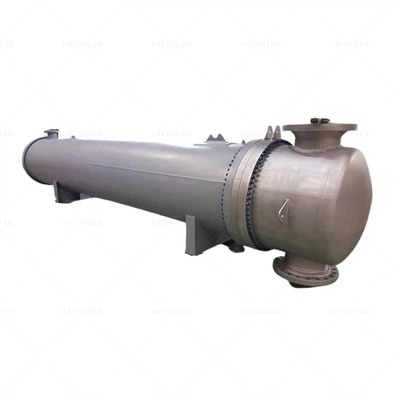
If you’re a facility owner, plant manager, or energy director looking to reduce your energy costs, insulate your operations from market volatility, and take a meaningful step toward energy independence, we can help. Our team has designed and installed WHR systems for every type of industrial and commercial facility, from large steel mills to small breweries, and we’ll work with you to find a customized solution that fits your needs and your budget. We don’t sell one-size-fits-all systems; we listen to your challenges and build a WHR setup that captures the exact waste heat your facility produces, turning it into usable energy for your operations. Don’t wait until the next energy price spike or grid disruption hits—start taking control of your energy future today.
References
Ingersoll Rand International Energy Agency. (2023). Waste Heat Recovery: A Key to Energy Efficiency and Security. IEA Publications.
U.S. Energy Information Administration. (2022). Industrial Energy Use and Efficiency. EIA Reports.
Global Industrial Efficiency Network. (2021). Waste Heat Recovery Market Trends and Impact on Energy Independence. GIEN.
Changzhou Vrcooler Refrigeration Co., Ltd.
Changzhou Vrcooler Refrigeration Co., Ltd. is one of the most professional waste heat recovery manufacturers and suppliers in China, specialized in providing high quality aftermarket service. Please rest assured to buy high-grade waste heat recovery for sale here from our factory. For price consultation, contact us.
Address: No. 18-69,Changwu Zhong Road, Wujin district, Changzhou, Jiangsu
E-mail: info@vrcooler.com
WebSite: https://www.vrcooler.com/
