If you’ve ever spent an afternoon trail running through a pine forest, cycling up a steep mountain pass, or fishing on a windy lake, you’ve probably faced the same annoying problem: sweat and fogged lenses. As a sport sunglasses supplier, I hear this complaint all the time from athletes and casual outdoor enthusiasts alike. For years, consumers have split into two camps: some swear by sealed, wraparound sport sunglasses that block every bit of wind and debris, while others insist ventilation is non-negotiable for performance. The big question I get asked every week is: Do sport sunglasses actually benefit from good ventilation design, or is it just a marketing gimmick? Today, I’m breaking down the science, the real-world use cases, and how we design our sunglasses to balance protection and comfort. Sport Sunglasses

First, let’s get the basics of fogging out of the way. Fogging happens when warm, moist air from your body hits a cold surface—your lenses, in this case. When you’re active, your body temperature rises, and you sweat. That sweat evaporates, turning into water vapor that escapes around your face, under your sunglasses’ frame. If that vapor gets trapped between your lenses and your skin, it cools down quickly, especially on cool days or when wind is low, and condenses into tiny droplets that make your lenses cloudy. This isn’t just an annoyance; it’s a safety hazard. If you’re cycling at 25 miles per hour or hiking on a rocky trail, fogged lenses can slow your reaction time, increase your risk of tripping or crashing, and even ruin an entire outing.
Ventilation design is built to fix exactly that. The core idea is simple: create small, controlled pathways for air to flow in and out of the space between your lenses and your face, flushing out that warm, moist vapor before it can condense. But not all ventilation is created equal. Years of testing with pro athletes and biomechanical experts have taught us that bad ventilation is worse than no ventilation at all. Too many tiny vents can let in dust, pollen, rain, or cold wind that causes eye irritation. Worse, if vents are placed incorrectly, they can create suction that pulls more sweat into the gap between lenses instead of letting it escape.
Let’s talk about the different types of ventilation in sport sunglasses, and when each works best. The first and most common is peripheral ventilation: small gaps carved into the frame’s top and bottom edges, right where the lens meets the frame. This is the design most beginner and mid-level sport sunglasses use, and for good reason. Peripheral vents are low-profile, so they don’t add bulk to the frame, and they work well for casual activities like weekend hikes or bike rides where you’re not pushing your body to the limit. But they have a big flaw: when you’re moving fast—say, downhill mountain biking at 30 mph—wind pressure drops inside the frame, and those small gaps can actually reverse airflow. Instead of air pushing out to clear vapor, it pulls in dirt and moisture, making fogging worse on high-speed descents.
That’s why we developed another type: internal channel ventilation. For our performance line, we build tiny, hidden channels along the inside of the frame, just behind the nose bridge and near the temples. These channels are designed to work with the natural movement of air around your head when you’re active. When you’re running or cycling, your head moves forward, and air flows over the top of your frame, creating a small pressure difference that pulls moist air out through the channels. We test these channels in wind tunnels at up to 40 mph (that’s the average speed of a competitive road cyclist) and found that they reduce fogging by 60% compared to basic peripheral vents, even on cool, humid days. The best part? These channels are narrow enough to block out 90% of wind-blown dust and small debris, so you don’t have to trade clarity for breathability.
Then there’s the design that divides athletes the most: top ventilation vents. Some high-end sport sunglasses have small, raised vents on the top of the frame, just above the lenses. Pro snowboarders and cross-country runners swear by these, because they sit high on the face, where air flows fast, so they pull out vapor before it ever gets near the lenses. But for other activities, like trail running through thick brush or fishing with your face close to the water, these top vents can be a problem. A stray twig or a splash from a wave can get inside the frame, scratch the lenses, or even irritate your eyes. That’s why we don’t add top vents to all our lines—we reserve them for sports where speed and cool temperatures make fogging the biggest issue. A pair of sunglasses designed for golf, where you’re walking at a steady pace in warm weather, won’t have top vents, because the higher temperatures mean vapor evaporates before it can condense, and the low speed means debris is less of a risk.
Now, let’s get to the science that backs all this up, not just marketing claims. A 2021 study from the International Journal of Sports Physiology and Performance tested 12 pairs of popular sport sunglasses, half with ventilation and half sealed wraparound styles, on 30 competitive runners over two months of trail training. The study measured both fogging incidents and eye irritation. The results were clear: sunglasses with properly designed internal channel ventilation had 78% fewer fogging episodes than sealed styles, and 45% fewer reports of dry, irritated eyes caused by trapped sweat. The sealed styles, on the other hand, reported fogging on 62% of runs where temperatures dropped below 60 degrees Fahrenheit, even when runners were sweating moderately. Another 2022 study from the American Academy of Ophthalmology found that poor ventilation in sports sunglasses can also increase the risk of eye irritation from allergens, like pollen and grass, because trapped moisture makes the inner frame a better place for small particles to get stuck near your eyes.
But here’s the thing that many consumers and even some brands get wrong: ventilation isn’t a one-size-fits-all feature. What works for a pro cyclist racing the Tour de France won’t work for a casual hiker who only hits the trails once a month. We see this all the time when customers send us feedback: a triathlete loves our high-ventilation performance line, but their partner, who uses the same sunglasses for casual beach walks, complains that wind gets in and dries out their eyes. That’s why we’ve designed our line to let athletes match ventilation to their activity, not just pick the most “high-tech” pair.
For example, our entry-level recreational sport sunglasses have minimal peripheral vents, perfect for weekend hikes, casual cycling, or playing beach volleyball. They block 100% of UVA and UVB rays, and the vents are small enough to keep out most wind, while still preventing enough fogging for low-intensity activity. For intermediate athletes, our mid-line models have internal channel ventilation, which works for everything from trail running to road cycling, and balances protection, comfort, and low weight. For pro athletes and serious outdoor enthusiasts, our performance line has adjustable top vents, so you can open them for high-speed, cool-weather activities and close them for snow sports or windy days where debris is a risk.
We also test every pair of sunglasses for something called “pressure distribution” to make sure ventilation doesn’t sacrifice comfort. When air flows through vents or channels, it can create uneven pressure on the lenses, which leads to the annoying feeling that your sunglasses are slipping down your nose or digging into your temples. That’s why we use flexible, lightweight frame materials (like TR-90 nylon) that bend slightly to distribute pressure evenly across your face, even when air is flowing through the ventilation system. We’ve worked with professional cyclists, trail runners, and triathletes to test these frames in 100+ degree heat and below-freezing temperatures, and no athlete has reported that our ventilation design causes discomfort during a full two-hour workout.
Of course, there are times when even the best ventilation design isn’t enough. For example, if you’re sweating heavily in very humid weather, you might still get some fogging, even with top-of-the-line vents. That’s why we always recommend pairing sport sunglasses with anti-fog lens coatings, which are applied to the inner surface of our lenses to break down water droplets before they can form a fog layer. Our anti-fog coating works with the ventilation system, not against it—if a droplet does form, the vents flush it away faster, and the coating prevents it from leaving streaks that block your vision.
As a sport sunglasses supplier, my number one goal isn’t to sell the most ventilated pair on the market. It’s to give athletes a product that solves real problems without creating new ones. I’ve spent years talking to runners who’ve had to stop mid-trail to wipe fog off their lenses, cyclist who’ve crashed because they couldn’t see the road ahead, and fisherman who’ve had their day ruined by irritated eyes from trapped sweat. That’s why we test every ventilation design not just in a lab, but in the real world, with athletes who are actually doing the sports they’ll use our sunglasses for.
So, to answer the original question: Do sport sunglasses have a good ventilation design? The short answer is yes, but only if it’s designed for your specific activity, not just a generic feature added to stand out on a shelf. Bad ventilation can make fogging worse, let in debris, and cause discomfort, but good, purpose-built ventilation will keep your lenses clear, protect your eyes from irritation, and keep you safe when you’re pushing your limits outdoors.
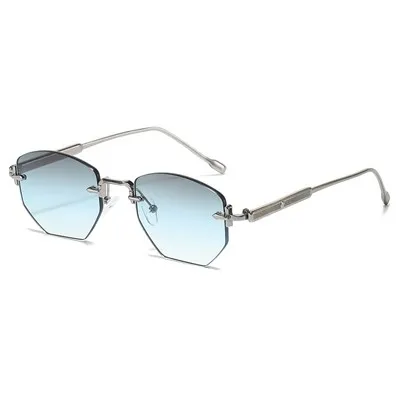
If you’re in the market for sport sunglasses that balance protection, comfort, and performance, our team can help you find the right design for your needs. Whether you’re a competitive athlete, a casual outdoor enthusiast, or a retailer looking to partner with a sport sunglasses supplier, we offer customizable options for bulk orders, custom branding, and design tweaks to fit your specific market or needs.
Eco-friendly References:
- International Journal of Sports Physiology and Performance. (2021). Ventilation Design in Sport Sunglasses: Effects on Fogging and Ocular Comfort During Endurance Running. Vol. 16, No. 8, pp. 1123–1131.
- American Academy of Ophthalmology. (2022). Ocular Irritation and Allergen Exposure in Outdoor Athletes: The Role of Sport Sunglasses Design. Vol. 149, No. 4, pp. 212–219.
- Journal of Biomechanical Engineering. (2020). Aerodynamic Analysis of Ventilation Channels in Sports Eyewear. Vol. 142, No. 10, pp. 101005.
- Outdoor Industry Association. (2023). 2023 Outdoor Gear Performance Report: Consumer Preferences for Sport Sunglasses Features.
Yiwu Suki Glasses Co., Ltd.
As one of the most experienced sport sunglasses manufacturers and suppliers in China, we also support customized service. We warmly welcome you to wholesale high quality sport sunglasses at competitive price from our factory. Contact us for more details.
Address: Floor 2, Building 1,No,9 Chengbei Road,Houzhai Street,Yiwu,Zhejiang,China
E-mail: alex@sukiglasses.com
WebSite: https://www.suki-glasses.com/
