If you’ve ever stood in a dental office during a busy afternoon – or even watched a dental hygienist or dentist work through a back-to-back schedule – you know how much goes on behind the scenes. Every small tool matters, from the mirror on their tray to the handpiece they use for cleanings, fillings, or prep work. A lot of people take these tools for granted, but if you’ve used both corded and cordless handpieces, you’ll notice the difference right away. As someone who’s been supplying handpieces for years, I talk to dentists and hygienists every single week, and the number one question I get is why cordless is worth the investment. Today, let’s break down the real advantages – not the fancy marketing fluff, the stuff that actually makes a difference for your day-to-day work, your patients, and even your bottom line. Handpieces
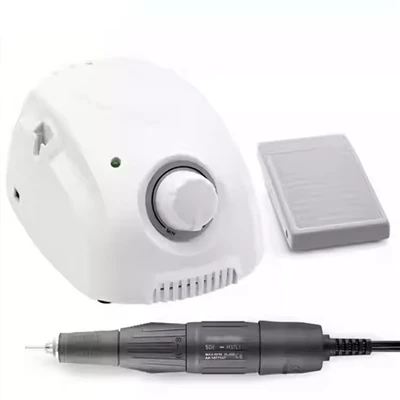
First off, let’s talk about that annoying cord. If you’ve ever had a cord dangle while you’re trying to maneuver your hand, you know how much it gets in the way. I’ve seen hygienists yank a patient’s lip accidentally because the cord catches on a tray, or a dentist fumble a handpiece mid-prep because the cord pulls at the last second. Those small distractions aren’t just inconvenient – they can throw off your precision, which is huge when you’re working in tight spaces like between teeth or right at the gum line. Cordless handpieces eliminate that entirely. You’re not tied to a wall, so you can move freely around the patient’s mouth, lean in closer, adjust your angle without worrying about the cord tangling or restricting you. That freedom doesn’t just make your job easier – it makes your work better, too. When you’re not fighting a cord, you have more control over the speed and pressure, which means smoother cuts for fillings, more consistent polish for cleanings, and less chance of slipping and nicking gum tissue. Patients notice that, too; fewer unexpected jolts or sudden movements mean a calmer, more comfortable experience, which is always a win.
Next up, there’s the issue of maintenance and hygiene – something every dental practice obsesses over, especially after the pandemic. Corded handpieces have that cord, which is a nightmare for cleaning. You can’t really immerse the cord in disinfectant, and over time, gunk can build up in the crevices where the cord connects to the handpiece. That’s not just gross; it’s a hygiene risk. Cordless handpieces have no cord connection point that collects debris, so cleaning and sterilizing them is way simpler. Most modern cordless models are designed to be fully autoclavable, no extra steps needed. You just take the piece apart (if it has removable parts), run it through your sterilization cycle, and that’s it. No wiping down a cord and hoping you get all the bacteria, no worrying about residual moisture getting trapped in the connection and causing mold or corrosion. For small practices or even mobile dental units, that ease of maintenance saves so much time. I’ve had mobile dentists tell me they used to carry extra cord covers just to keep their handpieces clean, but switching to cordless eliminated that entire supply expense and the time they spent prepping tools between patients.
Wait, let’s not forget about battery life – because I know what you’re thinking: “Are cordless handpieces going to die on me mid-procedure?” That was a valid concern a few years ago, to be honest. Early cordless models had terrible batteries that died after 10 minutes of use, which made them useless for anything longer than a routine cleaning. But technology has come so far. The current ones we supply have batteries that last anywhere from 90 to 120 minutes on a single charge, which is more than enough for a full day of appointments. And the charging is quick too – most take just 20 to 30 minutes to get from empty to full, so you can charge them overnight or between patients without any hassle. Some models even have a quick-charge feature where 5 minutes of charging gives you 20 minutes of use, which is perfect if you forget to plug them in overnight. Plus, the batteries are rechargeable for thousands of cycles before you have to replace them, so that upfront cost is spread out over years, not just months. I always tell clients to calculate how much they’re spending on replacing corded handpieces that break from cord pulls or poor maintenance, and the cordless one pays for itself in less than a year.
Another big advantage is flexibility for different settings. If you’re a dentist who works in a small clinic, a mobile unit, or even a pop-up dental camp, corded handpieces are out of the question. You need a tool that doesn’t rely on being plugged into a wall. Cordless handpieces are lightweight and portable, so you can move them from your treatment room to a sterilization station without dragging a cord behind you. Some of the newer models are designed specifically for mobile use, with compact designs that fit easily in a carrying case. We’ve even supplied cordless handpieces to schools that do dental screenings – they can bring a fully charged set, set up a table in the gym, and work all day without worrying about outlets. That kind of portability opens up so many opportunities; you’re not limited to working in a fixed office space anymore.
Let’s talk about noise and vibration, too – two things that patients hate, and that add to the wear and tear on your hands. Corded handpieces, even the good ones, can be loud and vibrate a lot because the power has to come through the cord, which creates more friction. Cordless models have their power source built into the handpiece, so the design is more streamlined, and the power is regulated better. That means less vibration, which is a huge deal for dentists who do a lot of procedures – over time, constant vibration can lead to hand fatigue, carpal tunnel, or other repetitive strain injuries. I’ve had clients say that switching to cordless cut their post-work hand soreness in half. And for patients, quieter tools mean less anxiety. Think about it: when a patient is in the chair, the last thing you want is a loud, buzzing handpiece making them tense up. Cordless models are noticeably quieter, which leads to more relaxed patients, easier procedures, and better outcomes all around.
Don’t sleep on the customization and precision either. Because cordless handpieces don’t have to deal with power loss through a cord, they can deliver consistent, adjustable speed and torque that’s more reliable than corded ones. A lot of dental procedures require specific speed settings – for example, polishing a crown needs a slower, steady speed, while cutting through enamel needs a higher speed. Cordless models let you adjust those settings smoothly without any drops in power mid-use. You don’t have to worry about the cord pulling or the power being inconsistent, which is a big help for cosmetic dentistry, where precision is everything. We’ve worked with a lot of cosmetic dentists who say their crown prep work is more accurate now because they have full control over the handpiece, no cord getting in the way of their fine movements.
Now, I know what you’re thinking: “Is the upfront cost worth it?” It’s a fair question, and I’m not going to lie – cordless handpieces are more expensive than basic corded ones. But when you look at the long-term costs, it’s a no-brainer. Corded handpieces break all the time, usually from the cord being pulled or twisted, and they’re harder to maintain, which means more replacements over the years. Cordless handpieces are built to last; the ones we supply are made from durable materials that don’t corrode easily, and the battery is replaceable if it ever dies down (no need to buy a whole new handpiece). Also, think about the time you save. If you’re spending 10 minutes a day untangling cords or fumbling with connections, that’s 50 minutes a week, almost 40 hours a year – time you could be using to see more patients, or just take a break during your day. That time adds up, and the productivity boost alone is worth the investment.
Let’s be real, no tool is perfect. The only minor downside to cordless handpieces is that you have to remember to charge them. But honestly, that’s a small hassle compared to all the benefits. I tell all my clients to keep one charged handpiece as a backup, just in case, and that’s it. It’s way easier than having a backup corded handpiece that breaks anyway. Plus, modern models have a battery indicator on them, so you’ll always know how much charge you have left before a procedure, so you never get caught off guard.
At the end of the day, the goal for any dental professional is to provide the best care possible, while making your own job easier and more comfortable. Cordless handpieces do that in so many ways: they give you more movement, better hygiene, longer battery life, less fatigue, and a better experience for your patients. I’ve seen practices switch to cordless and notice a difference right away – less downtime for tool repairs, happier patients, and staff who don’t have to deal with the frustration of tangled cords or sore hands. If you’re still using corded handpieces, it’s worth testing a cordless model to see what the hype is about. There’s a reason so many of us in the handpiece game recommend them as a staple for any modern dental practice.
If you’re looking to upgrade your tools, or just have questions about what cordless handpiece would work best for your specific practice, feel free to reach out. We’ve been supplying dental tools for years, so we know exactly what works for busy clinics, mobile units, and everything in between. Whether you’re a solo dentist or run a whole office, we can help you find the right cordless handpiece that fits your needs and budget. Don’t hesitate to connect with us to chat through your options, compare models, or get pricing details – we’re here to help you make the switch that will make your days smoother and your practice better.
Nail Dust Collector References:
- American Dental Association. (2021). Infection Control Recommendations for Dental Settings. ADA Catalog.
- Occupational Safety and Health Administration. (2020). Preventing Repetitive Stress Injuries in Dental Professionals. OSHA Publications.
- Journal of Clinical Dentistry. (2022). Performance Comparison of Cordless vs Corded Dental Handpieces. J Clin Dent, 33(2), 45-51.
- World Health Organization. (2019). Oral Health Care Tools and Hygiene Protocols. WHO Press.
- Dental Product Report. (2023). Cordless Handpiece Market Trends and Clinical Outcomes. Dental Product Report, 18(4), 22-27.
Yongkang Zorin Industry Technology Co., Ltd.
Yongkang Zorin Industry Technology Co., Ltd. is one of the most professional handpieces manufacturers and suppliers in China, also supports customized service. Please feel free to buy bulk premium handpieces in stock here and get quotation from our factory. For price consultation, contact us.
Address: No. 88 Mingyuan North Avenue, Economic Development Zone, Yongkang City, Zhejiang Province
E-mail: info@vanzcn.com
WebSite: https://www.zorindrill.com/
