Hey guys, let’s cut to the chase: when you’re going for that warm, cozy traditional room look—think crown moulding that’s been passed down, hardwood floors with that aged patina, maybe a bay window with built-in seating that feels straight out of a 1920s cottage—one tiny detail almost always gets slept on: skirting profiles. For anyone who’s ever deep-dived into home renovation hacks, I bet you’ve heard about wall paint, tile, or light fixtures, but skirting? Total unsung hero. As a skirting profile supplier, I’ve seen firsthand how these little baseboards can make or break a traditional vibe. No fancy over-the-top tricks, just intentional little choices. Skirting Profile

First off, let’s talk what “traditional” even means here because it’s not just one monolithic style. Traditional design spans centuries—think Georgian, Victorian, Edwardian, even that farmhouse traditional that’s super popular right now (don’t knock it, it’s cozy). The throughline here for all of these? They’re rooted in craft. It’s not that ultra-sleek, smooth, minimalist lines you see in modern design; traditional spaces love depth, slight curves, little carvings that tell you the builder put thought into every part. And skirting profiles? They’re the transition point between your floor and your wall—so if that transition feels flat or cheap, the whole room feels off.
Wait, let’s get real: I’ve had customers come to me saying, “I want a traditional look, but I hate those bulky, old-fashioned baseboards my grandma’s house has.” Fair enough—you don’t have to sacrifice style for not wanting something that feels heavy or outdated. Modern skirting profiles are totally reimagined to hit that sweet spot of traditional charm without being clunky. For example, our Victorian-style skirting profiles have that subtle ogee curve (you know, the S-shape along the top edge) that was everywhere in 19th-century homes, but we mill them from primed MDF or solid pine that’s smooth enough to paint easily, or even oak if you want that natural wood warmth. That’s the thing—traditional doesn’t have to mean “old materials.” It means evoking the details that defined classic spaces.
Let’s break down why skirting profiles work so well for traditional vibes, starting with proportion. This is where I see so many renovations go wrong: people pick the wrong size skirting for their room, and it throws the whole aesthetic off. Traditional spaces need skirting that’s proportional to the ceiling height. If you’ve got 8-foot ceilings (super standard for older homes), you don’t want a skirting that’s 6 inches tall—it’ll look out of place, like something stuck on after the fact. For 8-foot ceilings, 4 to 5 inches is ideal, right in that sweet spot. If you’ve got higher ceilings, like 10 or 12 feet, you can go taller, up to 7 or 8 inches—those bigger profiles have that grand, old-world feel that matches high ceilings. It’s not just random; old home builders figured this out way before we had Instagram, so it’s a rule that works.
Another big one: detail. Traditional spaces aren’t boring. They have little bits of ornamentation that make them feel lived-in and special. Skirting profiles can do that so easily without being over-the-top. The ogee curve I mentioned earlier? That’s a classic. It’s not loud, it’s just enough of a curve to add softness that flat traditional walls and floors need. Or there’s the chamfered edge—where the top edge of the skirting is angled slightly, not just flat. That’s super common in Edwardian homes, and it gives a subtle layer that makes the skirting feel intentional, not just a plain board. Even if you go with a simpler profile, adding a subtle moulding detail along the face (we call that a “chamfered cove” in the trade) can elevate it. I’ve had customers use these simpler profiles in a farmhouse traditional living room, pair them with a wooden mantel and a vintage rug, and it feels so cohesive. It’s not about carving every inch—traditional is about balance, and the skirting is a key part of that balance.
Wait, let’s address a common myth here: solid vs. MDF skirting. A lot of people think solid wood is the only way to get a traditional look, but that’s not totally true. MDF can be milled with the same exact details as solid wood, and it’s less prone to warping if you’re in a damp space (like a bathroom or basement). But if you want that natural, warm wood vibe, solid pine or oak skirting profiles are perfect—they age beautifully, just like old home trim. I had a customer last year renovating a 1930s cottage in the countryside; he went with solid oak skirting, stained to match his original hardwood floors, and it tied the whole room together. He said before, the space felt disjointed, like the walls and floor were two separate things. The skirting made that transition soft, and suddenly the room felt like it belonged. That’s the magic of it.
Now, let’s talk pairing. Skirting profiles don’t exist in a vacuum, right? To get that traditional look, you need to pair them with other trim details—crown moulding, door casings, window sills. It’s like a team. If you get a Victorian-style skirting, but your door casings are plain 1×4 boards, it’s gonna feel off. Traditional design is all about matching or coordinating trim details. For example, if you use a 5-inch ogee skirting, pair it with a 3-inch matching door casing, and a small crown moulding that has the same ogee curve. That continuity makes the room feel intentional, not like you picked random pieces from different stores. As a supplier, we actually recommend this to customers all the time—we send free sample packs with a skirting sample, a matching door casing, and a small crown sample, so they can test how it looks together before they order. It’s a tiny step, but it makes such a difference.
Wait, what about small rooms? A lot of people with tiny bedrooms or apartments think they can’t use traditional skirting because it’ll make the room feel smaller. Nope, that’s not true. You just have to scale it. Instead of a big 8-inch skirting, go with a 4-inch profile, maybe with a subtle chamfer instead of a big ogee. It adds the detail you need without making the room feel cramped. I had a customer who renovated a 1920s studio apartment; she went with a narrow, smooth skirting with a tiny moulded edge, paired with white trim, and the space felt bright and traditional, not cluttered. It’s all about proportion, which we talked about earlier.
Another point: color. Traditional spaces don’t have to be all beige or white, but color matters here. If you want a classic look, painting your skirting the same color as your trim (or a shade lighter than your walls) is a safe bet. Wait, but some traditional styles—like Tudor, which has dark wood beams—look amazing with dark stained skirting that matches the beams. I did a project with a Tudor-style home a while back; the skirting was stained a deep walnut, and it tied the dark beams, hardwood floors, and dark door casings together perfectly. It’s bold, but it works because it’s cohesive. Alternatively, if you have light walls, white skirting is always a good call—it makes the room feel bright and timeless, like something you’d see in a classic English cottage.
Let’s get real about mistakes people make. One of the biggest ones I see is cutting corners on skirting. People will go to a big box store and buy the cheapest baseboards they can find, which are thin, have sharp edges, and no detail. That’s why it feels cheap, even if you spend a lot on the rest of the room. Skirting doesn’t have to be super expensive, but it should be thick enough (at least 15mm) to look substantial. Thin skirting looks flimsy, and it kills that traditional vibe. Another mistake: leaving a gap between the floor and the skirting. Old builders would scribe the skirting to fit the floor, so there’s no gap—wait, no, actually, modern homes have a little gap for expansion, but if you’re going for a traditional look, you want that gap to be really small. A too-big gap makes the skirting look like an afterthought, not a built-in part of the wall.
Now, let’s circle back to what a traditional room is, because it’s not just about old styles. A lot of people today want that “traditional feel” but in a modern home, right? Like, you have a new build, but you don’t want it to feel sterile. Skirting profiles are the perfect way to add that traditional warmth to a new space. I had a customer who built a new house a couple years ago, and he wanted it to feel like a 19th-century farmhouse, not a generic new build. He went with 6-inch solid pine skirting, stained to a warm medium oak, paired with matching crown moulding and door casings. When he showed me the photos, the difference was night and day—before the room felt like a generic builder’s special, after the skirting and trim, it felt like a home with character. That’s the power of skirting.
Wait, let’s talk durability too, because that’s a big one for anyone renovating. Traditional spaces should feel lived-in, not fragile. Our skirting profiles are made to last—solid pine can be sanded and refinished if it gets scuffed, which is perfect for high-traffic areas like hallways. MDF skirting is great if you want a smooth surface that’s easy to paint, and it holds up well in areas that aren’t too damp, like bedrooms and living rooms. We also offer primed skirting, so you can paint it the exact color you want, which is way easier than painting raw wood. I’ve seen customers refinish old skirting in historic homes too—old skirting from the 1950s is super hard to find, but we can mill a custom profile to match, so you can keep the historic look without having to track down a rare piece. That’s another thing I love about being a skirting profile supplier—we can help people match old details, which is key for historic renovations.
Let’s also address a style that’s super popular right now: vintage traditional. You know, that look where you mix vintage furniture with a modern space. Skirting profiles fit here too. If you have a vintage dining set or a mid-century modern sideboard, pairing them with a simple, classic skirting profile gives the room a cohesive vibe. It’s not that you have to stick to one era, but the skirting ties all the elements together. I had a customer who had a mix of vintage finds and modern art in her living room; she went with a 5-inch ogee skirting, painted white, and it didn’t clash with the different pieces. It just brought the whole room together.
Now, I know some of you are thinking, “This is all well and good, but do I really need to care about skirting that much?” Let me put it this way: I’ve worked with hundreds of customers on renovations, and the ones who put thought into their skirting are the ones who end up with a space people comment on, the one that feels warm and intentional. It’s that tiny detail that makes the difference between a room that feels like a copy of a Pinterest board and a room that feels like home. Traditional design isn’t about having a big crystal chandelier or expensive hardwood floors—it’s about the little, consistent details that make the space feel like it has history. Skirting is one of those details.
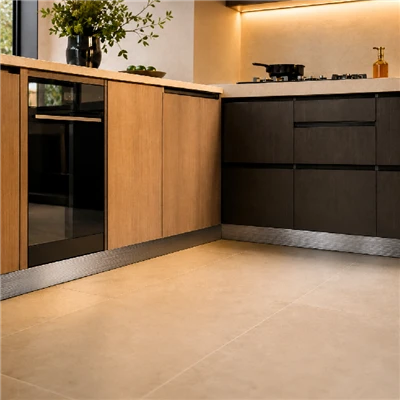
So, if you’re gearing up for a renovation, or you just want to give your room that cozy traditional vibe, don’t sleep on skirting. It’s not just a baseboard—it’s the transition that makes your floor and wall feel like one, the detail that adds depth, the piece that ties all your trim together. If you’re looking for skirting profiles that hit that sweet spot of traditional style, whether you’re renovating a historic home or building a new one, we’ve got you covered. We offer a range of profiles, from classic ogee designs to chamfered edges, in solid wood and MDF, and we can even help you match old custom profiles. Just reach out to us to chat about what you need, and we’ll help you pick the right skirting for your space.
Stainless Steel Screen When it comes to creating that traditional look, skirting profiles are way more powerful than people give them credit for. It’s not a big, fancy change, but it’s the kind of detail that makes a room feel timeless. Don’t overlook it—your wall, floor, and wallet will thank you.
- Design Practices for Traditional Residential Interiors, National Kitchen and Bath Association
- Skirting and Trim: Proportion and Style in Home Renovation, Journal of Historic Building Conservation
- Material Selection for Interior Trim Elements, Wood Products Association of North America
- Color Coordination in Residential Millwork, International Association of Certified Home Inspectors
- Custom Milling and Historic Match Trim Guidelines, Preservation Commission of the United States
Foshan Chengshuang Stainless Steel Co., Ltd.
Foshan Chengshuang Stainless Steel Co., Ltd. is one of the most professional skirting profile manufacturers and suppliers in China. We are committed to providing high quality customized service and 1 year warranty to global clients. If you’re going to wholesale durable skirting profile made in China, welcome to get pricelist and free sample from our factory.
Address: No.2, No.5 West, Pingsheng Avenue, Pingzhou, Guicheng Subdistrict, Nanhai District, Foshan City, Guangdong Province, CN.
E-mail: csniches@gmail.com
WebSite: https://www.cs-metals.com/
