If you’re reading this, you probably know just how finicky banjo fittings can be. Whether you’re a mechanic, a racer prepping a rig for the next weekend, or a hobbyist who’s been stockpiling replacement parts for years, one thing’s for sure: a bad storage job can turn a perfectly good banjo fitting into a rusted, damaged dud before you even get a chance to install it. As someone who’s been supplying banjo fittings for more than a decade, I’ve seen way too many guys come to me with parts that were ruined because they thought “tossing them in the toolbox was good enough.” Spoiler: it’s not. Let’s break down how to store these things properly so they last, work, and save you the headache of last-minute part runs. Banjo Fittings
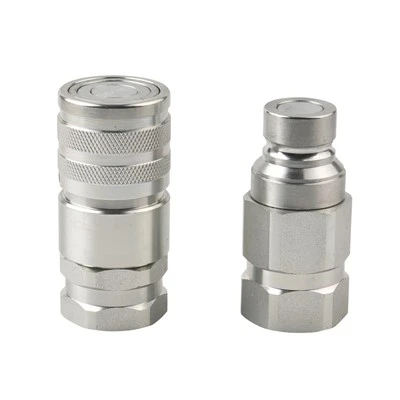
First, let’s talk about what makes banjo fittings so easy to mess up if you don’t handle them right. Banjo fittings are those little brass or steel connectors that link hydraulic lines—think brake lines, clutch lines, or fuel lines in all kinds of vehicles, from ATVs to race cars to heavy equipment. They have super fine threads, tiny sealing washers, and sometimes a little notch or a flat edge that keeps them from spinning when you tighten them. That precision is what makes them work, but it’s also what makes them fragile. If you let them rattle around with wrenches, bolts, or even other fittings in a cluttered bin, you can scratch the threads (which causes leaks, big time), ding the sealing surface (another leak nightmare), or even bend the banjo bolt itself. I’ve had a customer bring in a set of stainless steel banjo fittings that were scratched so bad he had to replace all four—turns out he just kept them in the bottom of his toolbox with a box of 10mm nuts. That’s $50 down the drain for no reason.
Let’s start with the basics: pre-storage prep. You can’t just yank a new fitting out of the blister pack and throw it away. If it’s a used one, first you need to clean it thoroughly. Old hydraulic fluid, dirt, grease—all that gunk can eat away at the metal over time, especially if it’s brass. I swear by a can of brake cleaner (the non-chlorinated kind, don’t use chlorinated unless you’re extra careful) and a soft bristle brush, like an old toothbrush. Scrub the threads and the sealing face until there’s no grime left. Dry it completely—moisture is the #1 enemy of banjo fittings. Even a tiny drop of water left inside the banjo will cause rust, especially on steel parts. For new fittings, just leave them in their original packaging until you’re ready to use them. Most banjo fittings come in sealed plastic bags with a little desiccant packet inside—don’t throw that packet away. It’s there to soak up any moisture that gets in there, and ditching it is like leaving your door open on a rainy day.
Next, choosing the right storage spot. A lot of people think a drawer in the garage is fine, but garages are hot, cold, and humid—extreme temperature swings make condensation form inside containers, even closed ones. So don’t store your banjo fittings on the floor, either; concrete is damp, especially in areas with high humidity. A better spot is a climate-controlled area, like a shelf in your workshop or a closet that stays between 60-70°F. If you don’t have a climate-controlled spot, a plastic storage bin with a tight lid is non-negotiable. The lid keeps moisture out and keeps dust from settling on the threads. Avoid cardboard boxes—they absorb moisture and can leave paper residue on your fittings, which is a pain to clean off later.
Now, how to organize them once you’re ready to store. This is where a lot of people go wrong: they mix different sizes and metals together, and that causes two problems. First, different thread sizes will scratch each other. A 10mm banjo bolt is way wider than a 6mm one, and if they’re rattling around, the bigger one will scratch the smaller’s threads. Second, dissimilar metals (like brass and steel) can cause galvanic corrosion when they touch. That’s a fancy way of saying they’ll react with each other over time and start rusting or pitting. I learned this the hard way a few years back when I stored a batch of brass banjo fittings next to a box of steel bolts—six months later, the brass parts had that weird, crusty greenish corrosion all over them. All gone, useless. So separate them by size and material. Small plastic bins with dividers work great here, or even an old tackle box with those little plastic parts trays. Label each section: “10mm brass banjo,” “8mm steel banjo bolts,” “copper sealing washers.” Trust me, you’ll thank yourself when you’re in a hurry and don’t have to sort through 50 loose fittings to find the right one.
For used fittings, an extra tip: wrap them in something soft before storing. If you’re keeping used banjo fittings that you pulled off a job, don’t just toss them in a bin. Take a small piece of cheesecloth, or even an old cotton T-shirt cut up, and wrap each one individually. That prevents scratches on the sealing face, which is the flat circle that presses against your line. If that face is scratched, even a tiny bit, it’ll leak when you tighten it. I used to skip this and had a customer come to me once with a brake line that was leaking right at the banjo—turns out he’d re-used a fitting he’d wrapped in a paper towel, and the paper towel had left a tiny scratch. So soft wrapping is key for used parts.
Another thing to watch out for: desiccants and anti-corrosion products. If you’re storing a bunch of fittings long-term (like a year or more), you can add a few desiccant packets to your storage bins. You can pick these up at any hardware store or even order them in bulk online—they’re cheap and they absorb any moisture that gets in there. Some guys also use light oil, like WD-40 or tri-flow, but hold up—don’t douse your fittings in oil. A light spray or wipe with a tiny bit of oil is enough. Too much oil will attract dust and dirt, and then you’ll have to clean them again before you use them. Also, make sure the oil is compatible with the metal—some oils can damage brass, so stick to a light, general-purpose machine oil if you’re unsure.
What about common storage mistakes to avoid? Let’s list a few that I see all the time. First, don’t store banjo fittings in their original blister packs long-term. Blister packs are great for retail display, but they’re not airtight, so moisture can get in over time. Plus, if you have a bunch of them, you’ll end up with a pile of blister packs and you’ll have to cut each one open every time you need a part. Second, don’t store them near solvents or chemicals in your workshop. Fumes from things like paint, gasoline, or hydraulic fluid can seep into plastic containers and react with the metal, causing corrosion. Third, don’t leave them out in the open, especially in humid areas like a basement or a hot truck bed. I had a customer who kept a spare set of banjo fittings in his truck’s toolbox for a cross-country race—when he pulled them out a week later, they were covered in rust from the truck’s humid cabin. Total waste.
Now, for those of you who stock up on banjo fittings, especially if you’re a mechanic or a shop owner, long-term storage is a different game. If you’re storing parts for 2+ years, you might want to use vacuum-sealed bags. Vacuum sealing removes all the air and moisture, so your fittings stay in perfect condition. You can pick up a cheap vacuum sealer for parts storage, or even just use a manual sealer for small bags. Before sealing, make sure the fittings are completely dry, and throw in a desiccant packet too. That way, even if you don’t check on them for a couple years, they’ll be good to go when you need them. Also, rotate your stock—use the oldest fittings first, so you don’t end up with a pile of parts that expired in storage. I tell all my regular customers this: if you buy a batch of fittings, write the date on the bag so you know when you bought them. That way, you don’t have parts sitting around for 5 years unused.
Wait, what about sealing washers? Banjo fittings come with little copper or aluminum sealing washers, right? Those are super thin, and they’re even easier to damage than the fittings themselves. A lot of guys forget to store those properly—they just toss them in a bin with the fittings. But if you cram a bunch of sealing washers together, they can bend or get scratched, which means they won’t seal right. So store them in separate small containers, or even in plastic baggies with labels. I usually keep a small bag of each size, like “10mm copper washers,” “8mm aluminum washers,” so they don’t get mixed up and damaged.
Let me test this advice with a quick story to make it real. Last year, a guy came into my shop panicking because his race car’s brake line was leaking during a practice run. He’d pulled a banjo fitting he’d stored in his garage toolbox for 6 months. When he showed it to me, it was rusted around the threads and had a tiny scratch on the sealing face. I had to give him a new one on the spot, and he asked what he’d done wrong. I walked him through all the mistakes: stored in a damp garage, mixed with steel tools, no desiccant, no wrapping. He went home, fixed his storage, and came back a month later to thank me—said his new fittings had been perfect, no leaks. That’s exactly why I put this stuff together: I’ve seen how a little bad storage can mess up a big day, whether it’s a race, a farm job, or a regular brake change.
Now, if you’re new to storing banjo fittings, or if you’ve been doing it wrong and want to get better, the takeaway is simple: clean them, keep moisture out, separate them by size and metal, and protect them from scratches and corrosion. It’s not complicated, and it saves you so much money and time in the long run.
Pneumatic Quick Couplings If you need reliable banjo fittings to store, or if you have questions about storage for specific sizes or metals, feel free to reach out. We’ve been supplying banjo fittings for all kinds of industries for years, and we’re happy to help you pick the right parts and tips to keep them in great shape. No sales pitch, just real advice from someone who’s been in the game.
References
- Society of Automotive Engineers (SAE) International. "Hydraulic Hose Fitting Storage and Handling Guidelines." SAE Standard J1931, 2021.
- Metal Corrosion Prevention Association. "Galvanic Corrosion in Automotive Fluid Connectors." MCBA Technical Bulletin, 2020.
- Automotive Parts and Service Association (APSA). "Best Practices for Storage of Fluid System Components." APSA Workshop Manual, 2019.
Cixi Poolke Hydraulic Pneumatic Co., Ltd.
Cixi Poolke Hydraulic Pneumatic Co., Ltd. is one of the most professional banjo fittings manufacturers and suppliers in China, also supports customized service. Please feel free to wholesale the newest banjo fittings made in China here from our factory. Quality products and reasonable price are available.
Address: #88 Zhengtong Road, Kandun Industrial Park315303, Cixi, Zhejiang, China
E-mail: contact@poolke.com
WebSite: https://www.poolkecouplings.com/
