If you’ve ever stepped onto a warehouse floor at 2 a.m., when the only sounds are forklift horns echoing off metal racks and the faint whir of machinery moving pallets, you know how electric stackers quietly hold together every part of the operation. As someone who’s supplied these machines to small distribution centers and large 3PL hubs for over a decade, I’ve seen firsthand how one small electrical misstep can turn a routine lift into a costly, dangerous mistake. It’s not just about having a machine that can reach high shelves—it’s about making sure that machine doesn’t put your team or your building at risk. Today I want to break down the electrical safety requirements every operator, facility manager, and buyer needs to know, straight from the perspective of someone who’s installed, repaired, and sold electric stackers for years. Electric Stackers
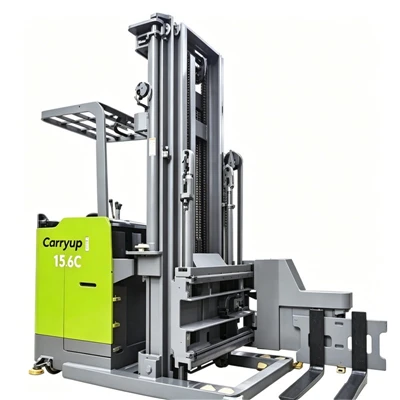
First, let’s start with the basics that most people overlook: the power source and its infrastructure. Electric stackers run on rechargeable lead-acid or lithium-ion batteries, but the charger and the circuit it plugs into are just as critical as the battery itself. I can’t tell you how many times I’ve visited a client who ran a stacker charger off a random extension cord or a circuit shared with a refrigeration unit—turns out, that’s a recipe for overheating. National and international electrical codes, like the NEC (National Electrical Code) in the U.S. and IEC standards globally, require that charging stations have dedicated, correctly rated circuits. For a standard 24V electric stacker, that means a 15 or 20-amp circuit, not a 10-amp extension cord meant for a laptop. If the circuit is too small, you’ll get voltage drops, which make the charger work harder, generate excess heat, and shorten the life of both the battery and the charger. I once had a client who skipped this step and had a charger catch fire overnight—they lost two weeks of operation waiting for a replacement, plus the cost of repairing the outlet and a small section of drywall. Don’t cut corners here.
Next, the battery itself has its own set of safety rules, especially for those heavy lead-acid models that still make up a big portion of the market. Lead-acid batteries produce flammable hydrogen gas when charging, so charging areas need proper ventilation. I always tell clients to never charge a battery in a closed, confined space like a closet or a trailer—even a small spark from a loose connection can ignite the gas. That means installing exhaust fans in charging bays, or positioning the charging station near an exterior door or open loading dock where air can circulate. Also, lead-acid batteries need regular water top-ups, and when you do that, you have to use distilled water, not tap water. Tap water has minerals that build up on the battery plates, reducing performance and causing overheating. I’ve seen teams use tap water out of convenience and end up replacing batteries every 18 months instead of the standard 3 to 4 years. For those switching to lithium-ion batteries, which are sealed and don’t need water top-ups, you still have to follow charging protocols. Lithium-ion batteries are more sensitive to overcharging and extreme temperatures, so chargers designed for lithium-ion can’t be used with lead-acid, and vice versa. Using the wrong charger will not only damage the battery but also increase the risk of thermal runaway, which is a big concern with lithium-ion packs.
Then there’s the stacker’s on-board electrical system—think the wiring, controls, and safety features that are built into the machine itself. All electric stackers sold for commercial use need to meet specific safety standards, like ANSI/ITSDF B56.1 in the U.S. or ISO 3691-4 globally, and as a supplier, I make sure every machine I sell has been tested to meet these requirements. One of the most important on-board safety features is the emergency stop (E-stop) button. It’s not just a decorative red button on the handle—it’s a fail-safe that cuts all power to the machine immediately. The E-stop has to be easily accessible from the operator’s position, clearly marked, and tested every shift before use. I had a new operator at a logistics hub once who panicked when a pallet slipped from the forks; they couldn’t find the E-stop in time and clipped a steel rack, damaging both the rack and the stacker’s mast. After that incident, we started including a 15-minute training module for all new buyers on pre-shift E-stop checks. Another key on-board feature is the overcurrent protection. Every electric stacker has fuses or circuit breakers that shut off power if there’s a short circuit or an overload. I always advise clients to use the exact replacement fuses or breakers specified by the manufacturer—replacing a 50-amp fuse with a 60-amp to “avoid frequent tripping” is asking for a short circuit in the wiring harness. I’ve seen that exact mistake cause a stacker to stall mid-lift, dumping a pallet of 50-pound boxes 15 feet to the floor, damaging product and nearly hitting an operator.
Temperature management is another often-overlooked electrical safety requirement. Electric stackers don’t work well in extreme heat or cold, and that strain on the electrical system can lead to failures. In a freezer warehouse, for example, temperatures can drop to -20°F, which thickens battery acid and reduces charger efficiency. But working in heat above 90°F is just as bad—high temps speed up battery degradation and make wiring insulation brittle, increasing the risk of shorts. As a supplier, I always ask clients about the temperature ranges their stackers will operate in, and I recommend either temperature-compensating chargers for lead-acid batteries or lithium-ion batteries that are designed to perform in extreme temps. I once sold a fleet of 10 stackers to a food processing plant that works in both cool storage zones and warm loading docks; after they had issues with battery life and charger failures, we swapped their standard lead-acid packs for temperature-rated lithium-ion, and their battery lifespan went up by 40%. Also, storing batteries in extreme temps—like leaving a fully charged lead-acid battery in a hot garage over the weekend—can cause sulfation, a build-up that ruins the battery and can lead to electrical leaks.
Training and regular maintenance round out the electrical safety requirements, because even the best machine won’t stay safe if it’s used incorrectly or ignored. I can sell you a top-of-the-line electric stacker with all the latest safety features, but if your operators don’t know how to read the battery’s charge indicator or how to spot frayed wiring, that’s a problem. As part of my service, I offer on-site training sessions for all new operators, covering everything from pre-shift electrical checks to how to respond if the E-stop engages unexpectedly. We also outline a regular maintenance schedule: every 90 days, a technician should check all wiring connections for tightness, inspect the E-stop button for wear, test the circuit breakers, and clean the battery terminals to remove corrosion. Corrosion on battery terminals is a major electrical hazard—it increases resistance, makes the charger work harder, and can cause arcing when you connect or disconnect the battery. I once had a client who noticed white, powdery corrosion on their terminals but thought it was “just part of the battery” until a spark from a corroded connection set fire to a pile of pallets in their charging bay. It’s a small thing to check, but it makes a huge difference.
Let’s also talk about what doesn’t count as “good enough” when it comes to electrical safety. I’ve seen cheap, uncertified electric stackers sold online that skip many of these requirements—they might have undersized wiring, no proper overcurrent protection, or E-stops that are easy to jam. While they might seem like a good deal upfront, the risk of downtime, injury, or fire is not worth the savings. As a supplier, I only sell machines that have undergone third-party testing and meet all relevant safety standards, because I’ve built my business on long-term relationships, not one-off sales.
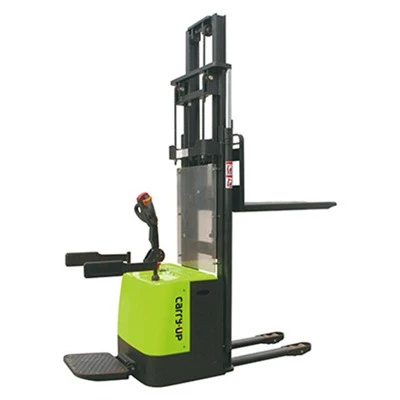
If you’re in the market for electric stackers, whether you’re outfitting a small retail storage area or a large distribution center, don’t just look at lift height or load capacity. Ask about the electrical requirements of the machine, the charger specifications, and what safety features are built in. If you have questions about whether your facility’s electrical infrastructure can support a new fleet, or if you need recommendations for chargers, batteries, or maintenance plans, feel free to reach out to discuss your specific needs. I’ve worked with all types of operations, and I’m happy to help you find a solution that keeps your team safe and your operation running smoothly.
Electric Pallet Truck References
- American National Standards Institute (ANSI). ANSI/ITSDF B56.1: Safety Standard for Low-Lift and High-Lift Trucks. ANSI, 2021.
- International Electrotechnical Commission (IEC). IEC 60204-32: Safety of Machinery – Electrical Equipment of Machines – Part 32: Requirements for Lift Trucks. IEC, 2020.
- National Fire Protection Association (NFPA). NFPA 70: National Electrical Code. NFPA, 2023.
- Material Handling Industry (MHI). Electric Industrial Truck Safety Best Practices. MHI, 2022.
Hangzhou Carry Equipment Co., Ltd.
Hangzhou Carry Equipment Co., Ltd. is one of the most professional electric stackers manufacturers and suppliers in China, also supports customized service. Please feel free to buy advanced electric stackers for sale here and get quotation from our factory. For price consultation, contact us.
Address: No.360 Tongxiang Rd., Yinzhou Economic Development Zone, Yinzhou Dist., Ningbo, China
E-mail: Sales@carryupmhe.com
WebSite: https://www.carrymhe.com/
