Hey everyone, and welcome to my little corner of the internet where we break down all things duty vests—stuff most people never think about until they’re shopping for one, right? Today, I’m answering a question I get at least a dozen times a week from new buyers, small business owners, and even regular folks just curious: Do duty vests come in different colors? Spoiler alert: Yes, they do, and there’s way more thought behind that than you’d probably guess. Let’s dive in, and since I’m a duty vest supplier who’s been in this game for over 10 years, I’m gonna give you the real, no-BS scoop—not the stuff you’ll find on generic product pages. Duty Vest
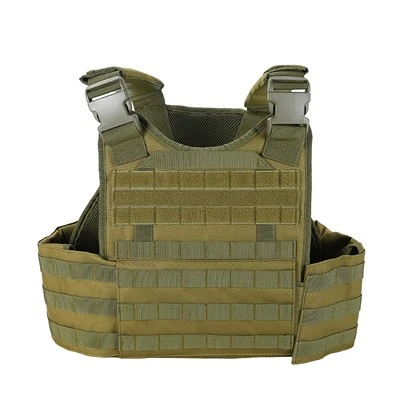
First off, let’s set the scene: When most people hear “duty vest,” they picture that basic black or dark blue thing cops wear, right? That’s the classic look, but it’s far from the only one. The color options aren’t just a cosmetic choice—they’re tied to what the vest is for, who’s wearing it, and even where it’s being used. Let’s break down the main categories here, because that’s how I see it when I’m helping a client pick the right colors for their team.
First, there’s law enforcement duty vests, and yeah, black and midnight blue are still the workhorses here. But wait—what about things like tactical vests for SWAT teams? Those often come in olive drab, coyote brown, even multi-cam patterns. Why? Because SWAT might be operating in wooded areas, open desert, or urban environments, and matching the vest color to the terrain helps them blend in. I’ve had a few SWAT units reach out over the years asking for custom color blends, not just solid colors, because they’re doing specialized work that needs better concealment. Black is still popular for patrol officers, though—why? It doesn’t show dirt as much as lighter colors, which is a big deal when you’re out on the streets 12 hours a day, handling traffic stops, responding to calls, and dragging your gear around. Dark blue also has that uniform look that feels familiar to the public, which officers tell me helps de-escalate situations sometimes.
Then there are public safety duty vests that aren’t just for cops—think EMTs, firefighters, park rangers, even security guards. For these groups, colors are super practical. Firefighters often go with bright yellow or red reflective vests over their gear, right? Wait, but is that a duty vest? Yeah, in this context, it counts—they’re meant to be high-visibility so other emergency vehicles can spot them at night or in smoky conditions. I used to work with a local fire department a few years back that switched from yellow to lime green because lime green is easier to see in low light than yellow. It’s a small change, but they said it made a difference when they’re setting up roadblocks after a crash or working on a dark highway at 2 a.m. EMTs, on the other hand, might go with white or light gray for their duty vests—why? It shows blood or other bodily fluids more clearly, which is critical when you’re providing medical care, so you can spot contamination and keep your gear sanitized. That’s a tip not a lot of people know, but it’s exactly why color choice matters for these teams.
Security is another big market for duty vests, and their color options are all over the place. Some uniformed security teams stick to black or navy to match the client’s dress code—like if they’re working at a bank or a corporate office, a dark vest blends in with the rest of the uniform. But then there are security guards working event security, concert venues, or construction sites, who need to be visible. Those guys go for neon orange, bright yellow, even hot pink sometimes—wait, hot pink? Yeah, I had a client a couple years back who ran security for a big music festival, and they asked for custom hot pink vests. Why? Because the festival grounds were packed with people, and security needed to stand out instantly. No one’s gonna miss a guy in a neon hot pink vest in a crowd of 50,000, right? That’s the kind of color choice that’s purely functional, not just style.
Now, let’s talk about why you might not see every color under the sun. A lot of people ask me, “Why can’t I get a pastel pink duty vest for my team?” and the answer is two-fold: first, durability, and second, regulatory standards. Duty vests are heavy-duty gear—they’re made with ballistic nylon, Cordura, that kind of stuff. Dyeing those fabrics light colors is way harder, because the material is thick and synthetic, so the dye doesn’t stick as well. Pastel pink, for example, would start to fade after a few washes, or look stained after a week of use, which is a waste of money. Most suppliers, myself included, stick to colors that are proven to hold up: dark solids, bright reflective colors, earth tones, not pastels or weird neons that don’t serve a purpose. Also, a lot of public safety groups have rules about uniform colors—you can’t just show up to a call in a purple vest if your department requires black, right? That’s another reason the color options are limited, but in a good way—they’re tailored to the job.
Wait, I should also mention custom options, because that’s where a lot of my business comes in. I work with a lot of teams that want to add their department’s logo, their unit number, and they want the vest color to match their existing uniforms. For example, a school resource officer (SRO) might work at a high school that uses navy blue polos, so they ask for a navy duty vest to match, instead of black. That makes the SRO look more like a staff member, not just a cop walking into the cafeteria, which helps build rapport with the students. I also did a custom order a couple years back for a K-9 unit—they wanted their vests to be a dark brown, not black, because their K-9s were trained to react to black gear, and the brown vest made it easier for the dog to tell who their handler was in a crowd. Small, specific needs like that are why I don’t just sell off-the-rack vests—custom colors are doable, as long as the order volume is enough to make it worth the dye setup.
Let me also clear up a common myth: some people think that duty vests have to be camouflaged, but that’s only for specific tactical roles. For most uniformed roles, camouflage is unnecessary, and it can even be a problem—if a patrol officer is wearing a camouflage vest, the public might not recognize them as law enforcement, which can make de-escalating situations harder. I had a cop tell me once that a guy he was talking to didn’t realize he was a patrol officer because his vest was camouflaged, and the guy got defensive instead of cooperative. That’s a real example of how color choice affects how your gear works, not just how it looks.
Now, if you’re someone who’s shopping for a duty vest—whether you’re a small security company, a volunteer fire department, a school district, or even a private individual who needs one for a side gig—here’s my advice. First, don’t just pick your favorite color. Think about what you’re using the vest for. Are you working in a dark urban area? Go dark blue or black. Are you working on a highway at night? Go lime green or bright yellow. Do you need to blend in with office staff? Go a neutral color like gray or navy. And if you have a specific color in mind that’s not standard, just reach out—most reputable suppliers (like me) can work with you to make custom colors, as long as it’s a realistic order.
I should also mention care tips, since that ties into color. Whatever color you pick, make sure you’re washing your duty vest correctly. Most synthetic fabrics need to be washed in cold water, no bleach, and line dried if possible. If you use hot water or bleach, even dark colors will fade, and light colors will get stained permanently. I get so many messages from buyers saying “my black vest turned gray after a month” and half the time, it’s because they put it in the dryer on high heat or used bleach. That’s a easy fix, but it’s tied to how your color holds up over time.
Wait, let’s circle back to that original question: Do duty vests come in different colors? The short answer is yes, but not every color—they come in the colors that actually matter for the job. It’s not a fashion accessory, it’s a piece of equipment, so every color choice has a purpose. I’ve been in this industry long enough to know that a buyer who just picks a color because it looks cool will end up with gear that doesn’t work for them. A buyer who picks a color based on their needs will have a vest that lasts, keeps them safe, and does the job it’s supposed to do.
Now, if you’re in the market for duty vests—whether you need a bulk order for your team, or just a few for a small group—don’t hesitate to reach out. I’ve got 10 years of experience helping folks pick the right colors, the right materials, and the right features for their specific use case. No generic sales pitches, no hidden fees, just straight talk about what works. Shoot me a message to talk through your needs, and we can put together a custom or standard order that fits your team perfectly.
Duty Belt References:
- National Fire Protection Association. (2021). Standard on Protective Clothing for Emergency Medical Operations. NFPA 1999.
- International Association of Chiefs of Police. (2020). Duty Gear Best Practices for Law Enforcement Agencies. IACP Press.
- Occupational Safety and Health Administration. (2019). High-Visibility Safety Apparel Requirements for Construction and Emergency Response. OSHA Publication 3151.
- Cordura Fabric Technical Data. (2022). Invista Performance Technologies.
Quanzhou Jinbei Bags Co., Ltd.
As one of the most professional duty vest manufacturers and suppliers in China, we have world-leading production equipment and strong manufacturing capabilities. Please feel free to buy bulk high quality duty vest for sale here from our factory. Customized orders are welcome.
Address: 302, NO. 158-17, EAST DISTRICT, TANDING, HESHI, LUOJIANG , QUANZHOU, FUJIAN, CHINA
E-mail: jinbeibags@126.com
WebSite: https://www.jinbeibags.com/
